


9 Balcony Gardening Mistakes You Must Avoid
Previous PostTaking up gardening without getting overwhelmed is something we want for each one of our gardeners. Since space is limited in cities, balcony gardening is clearly the best way to grow.

Balcony gardening is one of the easiest ways to grow your own herbs, vegetables and flowers, even in a small urban home across cities like Delhi, Mumbai, Bangalore, Chennai as scores of our home gardeners have proved. But many new gardeners make simple mistakes that stop their balcony gardeners from thriving and might disappoint them.
Given the fact that our balconies have limited space compared to open gardens, every decision you make will have a huge impact on the success of your balcony garden.
So let’s look at some very simple things you must keep in mind to ensure a thriving garden on your balcony.
- 1. Not Making the Most of Your Available Space
- 2. Choosing Pots That Are Too Small
- 3. Watering Without Understanding Plant Needs
- 4. Ignoring Proper Drainage and Structural Safety
- 5. Misjudging Sunlight Direction and Intensity
- 6. Not Planning for Changing Seasons and Strong Winds
- 7. Forgetting Daily Pest Checks
- 8. Overcrowding Plants in One Pot
- 9. Adding Compost Only Occasionally
1. Not Making the Most of Your Available Space

Your sunny balcony is much more effective for growing different types of vegetables than you think. Many of us place only a few pots randomly and leave vertical space unused. Balconies often have walls, railings and corners that can hold hanging baskets, railing planters or vertical shelves. This gives you more space to grow without making any structural changes.
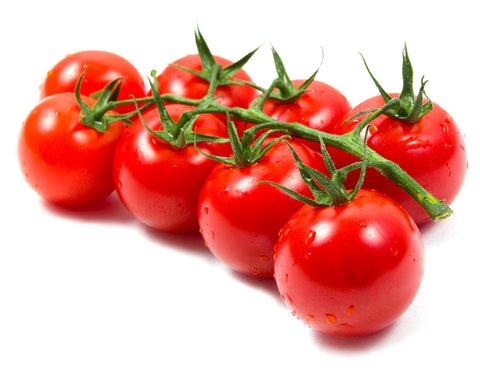
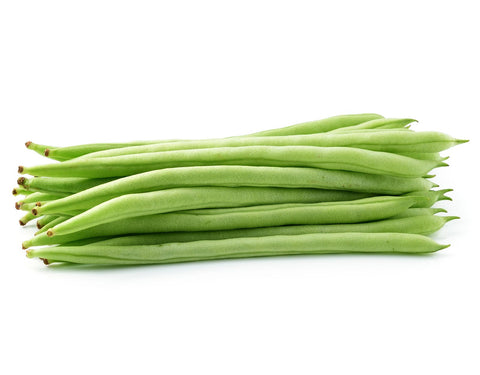
Use stackable shelves, wall-mounted planters or hanging pots to maximise space. This allows you to grow more without cluttering the floor. Vegetables like tomatoes, beans, squashes will benefit from a vertical growing space.
2. Choosing Pots That Are Too Small

A common mistake we make as new gardeners is choosing pots based on the plant’s current size instead of its future growth. A tiny tomato seedling may look fine in a small pot today, but it will need a much larger container once mature.
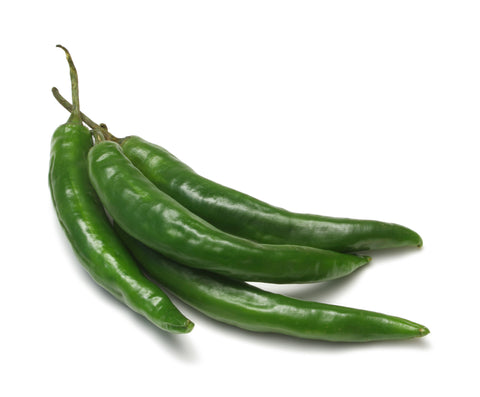
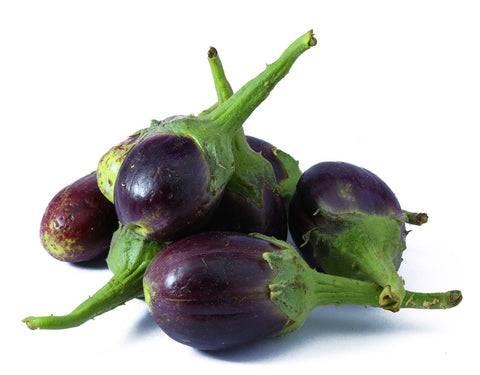
Depth matters just as much as width. Root vegetables like carrots need deep pots. Tomatoes, brinjals and chillies require space for strong root systems. Always select pots based on the full-grown size of the plant, not how it looks on day one. A medium sized pot of 18-20 inches is ideal for most types of vegetables.
3. Watering Without Understanding Plant Needs

This is one of the most common mistakes we make as new gardeners. In our experience, underwatering or overwatering kills a lot more plants than a gardener simply being ignorant. It is very important to understand that not all plants need the same amount of water. Herbs like rosemary prefer drier soil, while leafy greens like spinach need consistent moisture.
One tip we have been reiterating in all our watering guides is to always touch the soil before watering. If the top inch feels dry on touch, water deeply. Avoid watering on a fixed schedule without checking the soil first. Both overwatering and underwatering are equally harmful.
4. Ignoring Proper Drainage and Structural Safety

This is a very important thing to address before you start putting your balcony garden in place. All balcony gardens must have proper drainage figured out before the planting starts. Without drainage holes and trays, excess water can drip and seep into cracks and crevices of your balcony. Over time, this can damage the building structure greatly.
Always use pots with drainage holes and place drainage trays underneath them. You can also add small stones at the base of pots to improve drainage. Make sure water does not collect and stagnate. Stagnate water also gives rise to more pests and mosquitoes and can become a hassle over time. It’s best to empty drainage trays everyday to avoid this.
5. Misjudging Sunlight Direction and Intensity

All balconies differ greatly in sunlight exposure thanks to changing direction of sunlight in different seasons. For example, a south-facing balcony gets very strong sunlight for 7-8 hours, while a north-facing one may receive limited direct light.
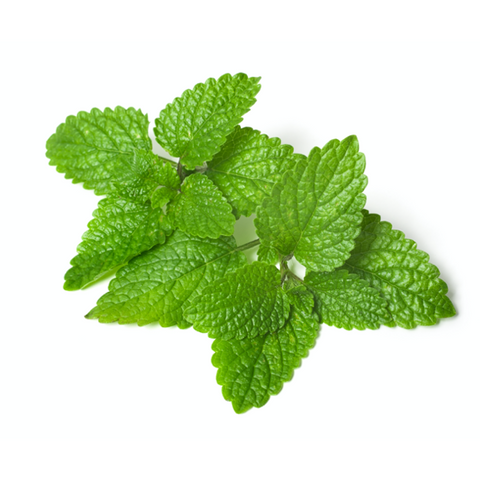
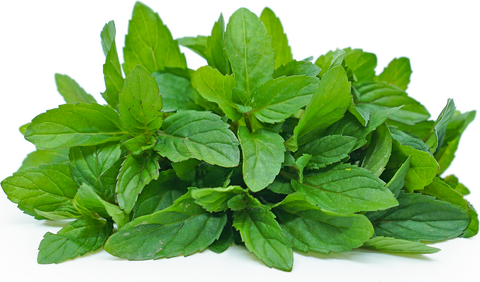
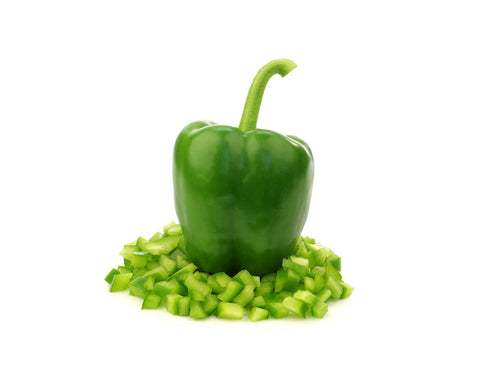
Observe how many hours of sunlight your balcony gets. Fruiting plants like tomatoes and capsicum need 5–6 hours of direct sun. Shade-loving plants such as mint and coriander can tolerate partial sunlight. You must plan and plant these varieties accordingly.
6. Not Planning for Changing Seasons and Strong Winds

Owing to their height and potted plants, balcony gardens are more exposed to the weather changes and strong winds than ground gardens. Strong winds can break some stems during their nascent and dry out soil more quickly than ground gardens. Seasonal changes also affect plant growth a great deal.
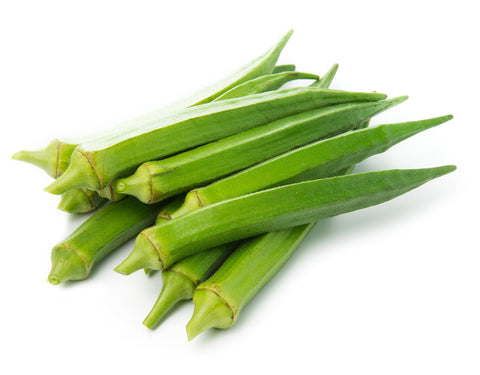
Use large pots for tall plants to prevent them from tipping during strong winds. Add simple wind barriers like row covers or bamboo screens if needed. Rotate crops according to season, for example grow spinach and lettuce in cooler months, and okra and basil in warmer months.
7. Forgetting Daily Pest Checks

As a gardener, it’s very disheartening to see completely healthy plants being damaged by pests one fine morning. Pests spread quickly in small spaces. Aphids, spider mites and caterpillars can damage leaves, sometimes overnight.
The best way to address this is to inspect the underside of leaves daily. Remove pests manually by hand or spray a simple homemade solution of neem oil mixed with water. Remember, early detection prevents major infestations in all types of plants.
8. Overcrowding Plants in One Pot

Although, the feeling of growing more in less space is very natural in a limited space like a balcony garden, it can also misfire. When too many plants share one pot, they compete constantly for water, nutrients and sunlight. Instead of growing well, they weaken each other.
For example, sowing beets and carrots densely together could maximise bed use, but both root vegetables end up with deformed and undersized produce due to underground competition. Crowded spinach leaves turn yellow and wilt quickly. Inadequate spacing also fosters insect infestations. Thin out extras promptly and give roots room to expand for optimal results.
9. Adding Compost Only Occasionally

Unlike vegetables in the ground, vegetables plants growing in pots depend entirely on you for nutrients. The container soil loses nutrients quickly because the plant soaks up all available nutrients to grow and then there is none left.
Adding organic compost or vermicompost regularly has a great deal of impact on potted plants. Top-dress your pots with homemade compost, cow dung manure or vermicompost every 3–4 weeks. Natural fertilisers added slowly and regularly will help your vegetables and herbs grow healthier and stronger.
To be honest, balcony gardening is not about filling every inch with plants, no matter how appealing it looks in those balcony aesthetic Pinterest posts. You need to understand your balcony and available sunlight better to become a better gardener and ensure some part of your food can be grown in your balcony.
Remember to address these common mistakes while growing, and your plants will reward you with healthy growth and better harvests.
Happy gardening!







Leave a comment