


Growing Fresh Lettuce in Indian Balconies
Previous PostFresh, crunchy and suitable in many recipes is what we expect from the overpriced lettuce available on quick commerce apps. Sadly, that is seldom the case.

Instead, the lettuce that comes is often old, wilted and flavourless. And did you know that just one large pot on your balcony can give you way more lettuce with minimal care and supplies. Yes, growing lettuce is incredibly easy. If you have successfully grown spinach before, growing lettuce is almost similar.
Now let us tell you a bit about this low calorie green called lettuce. Lettuce (Lactuca sativa) is one of the oldest leafy vegetables cultivated by humans. It is believed to have originated in the Mediterranean region and parts of Western Asia over 2,500 years ago. Ancient Egyptians first grew lettuce for its seeds and oil before selecting varieties with tender leaves for eating. Lettuce is commonly seen in salads, wraps, burgers, sandwiches and healthy bowls around the world.
Also, lettuce is one of the easiest vegetables to grow in containers, making it perfect for balconies, terraces and small home gardens across India.
Best Time to Grow Lettuce in Different Parts of India

Lettuce grows best in cool weather and struggles during extreme heat. Here are the best months to grow lettuce in different regions in India:
- North India: Sow from September to February, avoid extreme cold
- West India: Grow from October to January
- East India: Sow between October and February
- South India: Grow from October to January in plains. In cooler hill stations, lettuce can be grown almost throughout the year
Do not sow lettuce seeds during peak summer since high temperatures during the day can cause the plants to flower early instead of producing tender leaves. However, if you have a controlled growing environment with partial shade or a hydroponic/aquaponic system, you can grow lettuce throughout the year.
Our varieties of Lettuce Seeds

Over the years, we have managed to curate a sizeable collection of lettuce seed varieties for our home gardeners. You can try one or all of them in your kitchen garden.
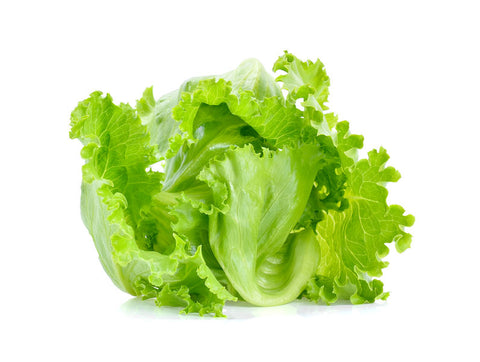
Iceberg Lettuce
Iceberg lettuce forms compact, round heads with crisp pale-green leaves. It has a mild flavour and is widely used in burgers, wraps and crunchy salads.
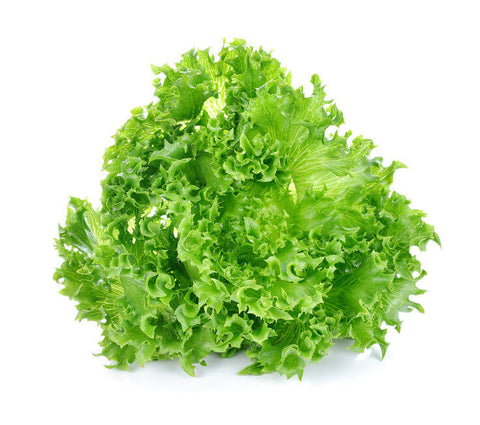
Grand Rapids Lettuce
Grand Rapids lettuce produces loose, frilly green leaves that grow quickly. It is ideal for fresh salads, sandwiches and harvesting young baby leaves.
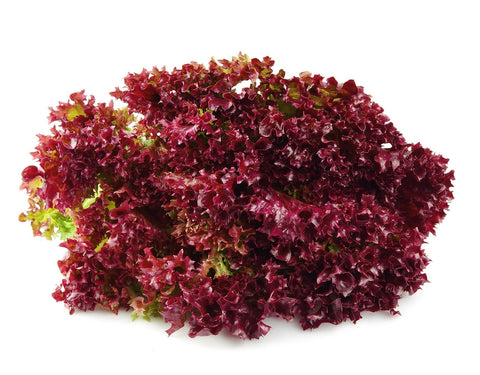
Lollo Red Lettuce
This attractive lettuce variety has deeply curled burgundy-red leaves with a slightly nutty flavour. It adds colour and texture to salads and decorative platters.
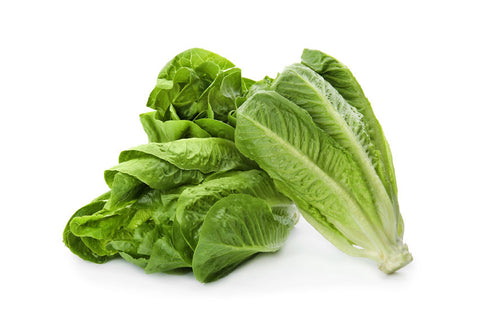
Romaine Lettuce
Romaine lettuce develops tall, upright heads with crunchy leaves and thick ribs. It is the classic lettuce used in Caesar salads, wraps and grilled dishes.
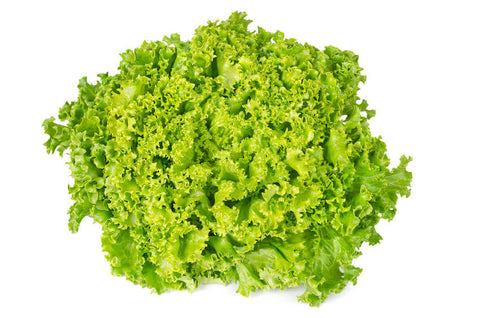
Lollo Bionda Lettuce
Lollo Bionda lettuce features curly bright-green leaves with a soft texture and mild taste. It is perfect for mixed salads and fresh garnishing.
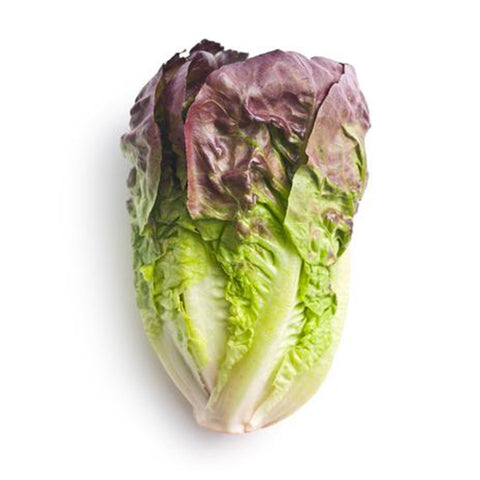
Red Romaine Lettuce
Red Romaine lettuce combines the crispness of Romaine with beautiful reddish-purple leaves. It works well in salads, sandwiches and healthy lunch bowls.
Salad Bowl Leaf Lettuce
This loose-leaf lettuce variety produces deeply lobed, tender leaves that can be harvested repeatedly. It is ideal for everyday salads and continuous harvesting.
Great Lakes Lettuce
Great Lakes lettuce produces large, tightly packed crisp heads that tolerate slightly warmer weather than many other lettuce varieties. It is commonly used for burgers, sandwiches and fresh salads.
How to Grow Lettuce in Containers

Finding the right Pot
Lettuce has shallow roots and does not require deep pots. Choose containers that are 15-20 cm deep with good drainage holes. Window boxes, grow bags, rectangular planters and raised beds all work well. Raised beds should have a minimum soil depth of 20-25 cm for healthy root development.
Succession Planting with Lettuce
Instead of sowing all your seeds at once, sow a small batch every 15-20 days. This method, known as succession planting, ensures a continuous supply of fresh lettuce instead of one large harvest.
Preparing Soil
Lettuce grows best in light, well-drained soil rich in organic matter. Mix equal parts garden soil with organic vermicompost for the ideal potting mix. Mix in a handful of neem cake to naturally protect young roots from pests.
Sowing Lettuce Seeds
Sow lettuce seeds 0.5 cm deep and cover lightly with fine soil. For head-forming varieties like Iceberg, Romaine and Great Lakes, keep a spacing of 25-30 cm between plants. Loose-leaf varieties such as Grand Rapids, Lollo Red, Lollo Bionda and Salad Bowl can be spaced 15-20 cm apart.
Although lettuce can be directly sown, starting seeds in seedling trays and transplanting after 3-4 weeks often gives healthier plants and better spacing.
Watering
Keep the soil evenly moist before germination by watering gently with a spray can or misting bottle. Seeds usually germinate within 5-10 days. Once plants are established, water deeply whenever the top layer of soil feels dry. Avoid water-logging, as constantly wet soil may lead to root rot.
Sunlight
Lettuce requires 4-6 hours of direct morning sunlight each day. Too much afternoon heat causes bolting, where the plant quickly produces a flower stalk instead of leafy growth. Once bolting begins, the leaves become bitter.
To prevent bolting, ensure afternoon shade during warm weather with shade nets and keep the soil consistently moist.
Temperature
Lettuce grows best between 10°C and 22°C. Temperatures above 28°C increase the chances of bolting and poor-quality leaves.
Common Pests and Diseases
Aphids, leaf miners, snails and slugs are common lettuce pests. Spray diluted neem oil every 10-15 days to discourage insects. Handpick slugs in the evening and use crushed eggshells or wood ash around plants as a natural barrier.
Powdery mildew and damping-off can occur in humid conditions. Improve air circulation, avoid overhead watering and remove affected leaves promptly.
Does Lettuce Need Fertiliser?
Lettuce is a light feeder. If grown in compost-rich soil, additional fertilizer is usually unnecessary. If growth slows, apply a light top dressing of vermicompost once after 3-4 weeks. Avoid excessive nitrogen fertilisers, as they produce overly soft leaves.
Harvesting Lettuce

Loose-leaf varieties such as Grand Rapids, Lollo Red, Lollo Bionda and Salad Bowl Leaf Lettuce are ideal for the cut-and-come-again method. Harvest only the outer leaves, leaving the centre untouched. The plant will continue producing fresh leaves for several weeks.
Head-forming varieties like Iceberg, Romaine, Red Romaine and Great Lakes should be harvested by cutting the entire head once it becomes firm and fully developed.
To keep lettuce fresh for longer, wash and dry the leaves completely, wrap them in a kitchen towel or paper towel, and store them in an airtight container inside the refrigerator. Properly stored lettuce stays fresh for up to a week in the refrigerator.
Recipe: Spicy Soybean Keema (Granules) in Lettuce Cups

Ingredients
- 1 cup soybean granules
- 8-10 large lettuce leaves
- 1 onion, finely chopped
- 2 garlic cloves, minced
- 1 teaspoon grated ginger
- 1 green chilli, finely chopped
- 1 tablespoon soy sauce
- 1 teaspoon chilli sauce
- 1 teaspoon tomato ketchup
- ½ teaspoon black pepper
- 1 teaspoon sesame seeds
- 1 tablespoon cooking oil
- Spring onion greens for garnish
Method
Soak soybean granules in hot water for 10 minutes, squeeze out the excess water and keep aside. Heat oil in a pan and sauté onion, garlic, ginger and green chilli until fragrant. Add soybean granules, soy sauce, chilli sauce, ketchup and black pepper, and cook for 5-6 minutes. Sprinkle sesame seeds and mix well. Spoon the filling into fresh lettuce leaves and garnish with chopped spring onion before serving.
Happy Gardening!




Leave a comment