


Grow Edamame (Soybean) at Home in India
Previous PostIf there is a bean that lends itself to almost every kind of cuisine in the world, it has to be soybean AKA edamame beans.

From being savoured as a refreshing appetizer in Chinese and Japanese to the soya chunks and granules, flour and curries we eat every week for protein rich meals in India, this legume is much sought after across the world.
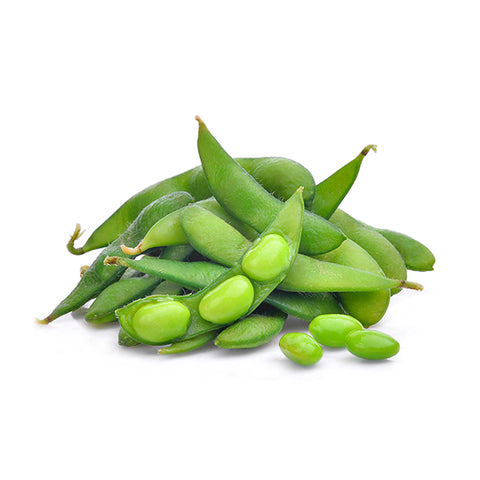
Edamame refers to young, green soybean pods harvested before the beans fully mature. Soybean (Glycine max) originated in East Asia, particularly China, where it has been grown for thousands of years. The word "edamame" comes from Japanese, meaning "beans on branches". While mature soybeans are used to make tofu, soy milk, soy sauce, and tempeh, edamame is enjoyed as a nutritious snack and vegetable.
Growing Edamame (Soybean) in Balcony/Terrace:

Like most beans, edamame grows very well in Indian home gardens and is suitable for balconies, terraces, patios, and sunny windowsills. Since the plant has a compact growing habit, they are ideal for container gardening, making it suitable for apartment gardens. As long as they receive enough sunlight and well-draining soil, soybean plants can produce a good harvest even in pots.
How to Grow Edamame (Soybean) at Home:

Sowing Seeds
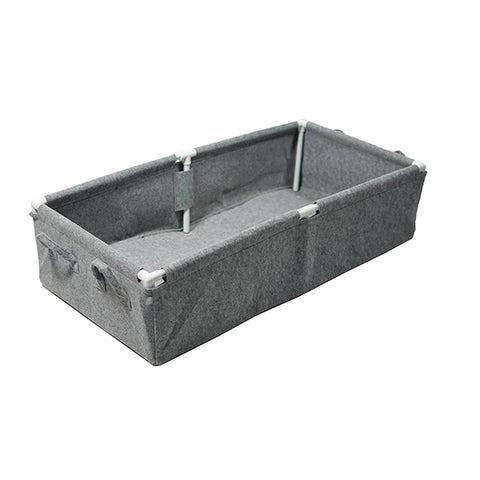
It’s best to directly sow edamame (soybean) seeds into the final container because they do not transplant well. Plant the seeds about 2.5 to 3 cm deep with a spacing of 10 to 15 cm between two plants. Choose a container that is at least 25 to 30 cm deep and wide enough to accommodate multiple plants. A fabric grow bag, rectangular planter, or large terracotta pot works well. Although edamame beans do not require staking, they may benefit from light support during windy weather.
Soil
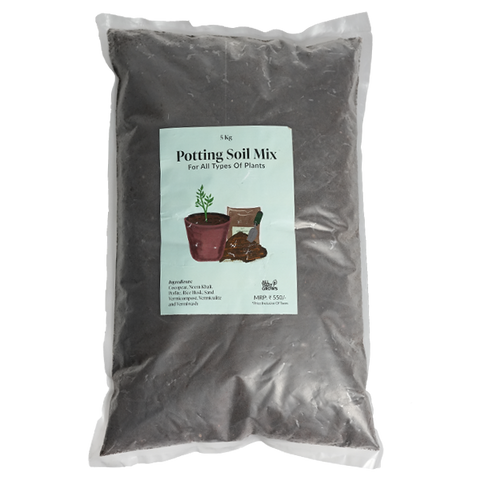
Edamame (soybean) plants grow well in loose, fertile, and well-draining soil. You can easily make your own potting mix with 50% regular garden soil, 30% compost or well-rotted cow manure, and 20% cocopeat. The soil should be rich in organic matter and have a loamy texture.
Temperature
Soybeans prefer warm growing conditions. The ideal soil temperature for germination ranges between 18°C to 30°C while the outdoor temperature after germination must be between 20°C to 32°C. In most parts of India, edamame can be grown during spring, summer, and the early monsoon season. Avoid sowing during periods of extreme heat above 38°C in May-June in India.
Watering
Keep the soil consistently moist during germination and during the early seedling stage. Water whenever the top layer of soil feels dry. Avoid overwatering, as soggy soil can lead to root rot and poor pod production. Once the plants begin flowering and setting pods, maintain regular watering to ensure better harvest.
Sunlight
Soybean plants require full sunlight for growing flavourful pods. Ensure that they get at least 6 to 8 hours of direct sunlight daily. Terrace gardens usually offer ideal conditions, while balcony gardeners should choose the sunniest available location.
Fertilising
Edamame (soybean) are legumes and can naturally fix nitrogen from the atmosphere. Remember that adding more nitrogen fertiliser can result in lush leaves but fewer bean pods. Mix homemade compost or organic vermicompost into the soil before planting. Once the plants begin flowering, apply a light dose of the same vermicompost or worm-casting compost tea every two to three weeks to support pod production.
Harvesting Edamame (Soybean):

Edamame beans get ready for harvest in about 80 to 100 days after sowing. For fresh edamame, harvest the pods when they are bright green, plump, and fully filled with beans and have white hair with fuzzy texture on them. The pods should still be tender and green. At this stage, their taste is buttery and nutty and best for snacking. If you wish to use soybeans for storage or cooking later, allow the pods to remain on the plant until they turn yellow and eventually brown. At this stage, the beans inside become hard and dry and can later be cooked similar to common kidney beans or Lobia.
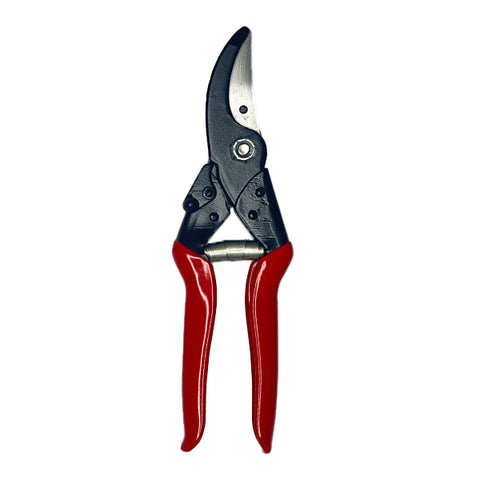
Use clean scissors or pruning snips to harvest mature pods rather than pulling on the plant. Harvesting regularly encourages the plant to focus its energy on developing the remaining pods and helps prevent damage to branches.
Simple Steamed Edamame Recipe:

The edamame you like at your favourite Japanese restaurant can easily be made at home with fresh edamame, just harvested from your own kitchen garden. Follow this simple recipe.
Ingredients
- 2 cups fresh edamame pods
- 1 litre water
- 1 teaspoon salt (sea salt if available)
Method
- Wash the pods thoroughly under running water.
- Bring the water to a boil in a saucepan.
- Add the edamame pods and cook for 4 to 5 minutes.
- Drain immediately and sprinkle with salt.
- Serve warm and squeeze the beans directly from the pods while eating.
This method preserves the sweet, nutty flavour of the beans and is the most popular way to enjoy freshly harvested edamame. You can also toast the whole bean in sesame oil for some smoky flavour.
Happy gardening!






Leave a comment