


Peas in Pots: How to Grow Them at Home in India
Previous PostWinter is truly one of the most giving seasons in India when it comes to fresh harvest. From staples like cauliflower, methi to exotics like broccoli and lettuce, the cold season has a lot to offer when it comes to harvest.

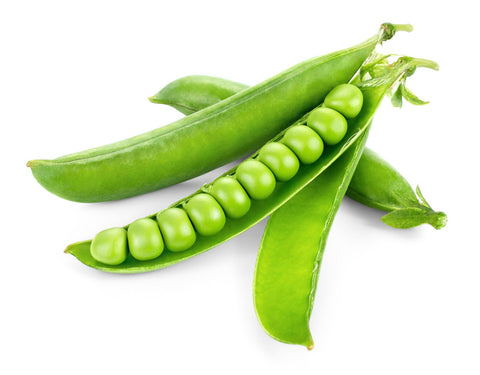
In that list, Peas (Pisum sativum) or Matar, or Vatana, or Pattani etc. are one of the easiest vegetables to grow in containers, making them perfect for balconies, terraces and small home gardens in India. They grow quickly, need little space, and reward you with sweet, crunchy pods full of fresh green peas which you can use in almost any Indian curry across the country. If you want to grow and harvest peas without owning a big garden, you’re in the right place.
This guide covers everything - from the best sowing season in your region to organic care, pest protection, harvesting, storing and a quick recipe that might come in handy this winter season.
Why Grow Peas in Containers

First, let us tell you why your sunny balcony or terrace is perfect for growing this winter green. Growing peas in containers gives you control over soil quality, watering, sunlight and pests. You can move pots to cooler or sunnier spots, set up plant support easily, and avoid garden soil problems like compaction or flooding. Peas also have shallow roots, so they don’t need deep ground space, just the right container.
Sowing Season by Region

- North India: October to February (best during peak winter chill)
- South India: November to January (cooler months work best)
- East India: October to January (before humidity peaks)
- West India: November to January (avoid extreme summer heat)
Peas love cool weather. When planted during mild to cold months, they grow faster and produce fuller, sweeter pods.
What You’ll Need to Grow Peas

Here’s a quick checklist of essentials:
- Good quality non-treated pea seeds
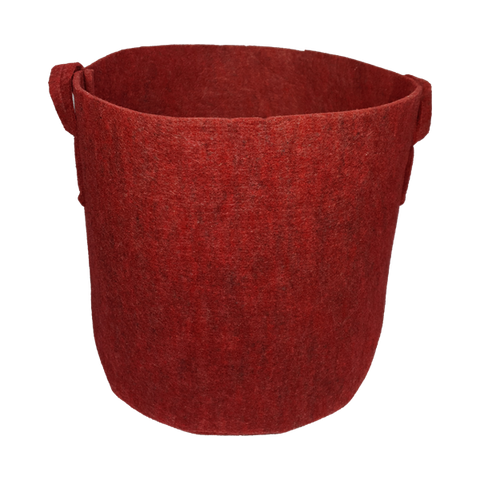
- Container: Terracotta, grow bag or plastic pot minimum 25–30 cm deep and 30–40 cm wide
- Drainage: Gravel, small stones or broken pot pieces
- Trellis/Support: Homemade frame using sticks and garden twine (any jute rope is ideal)
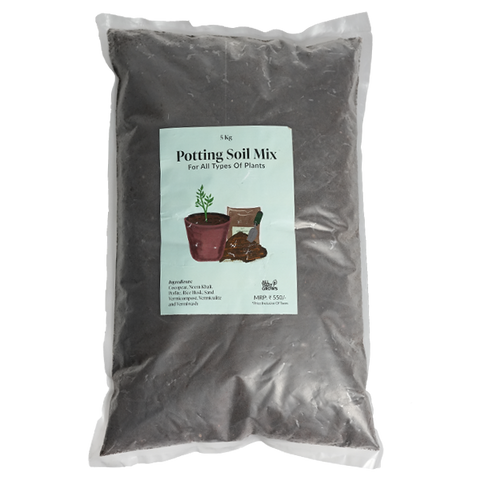
- Soil: Good-quality potting mix or compost + cocopeat + garden soil
- Sunlight: 6–8 hours of direct sun daily (this is very important)
- Water: Regular but not excessive
- Fertiliser: Organic options like vermicompost, cow dung manure
Step-by-Step Guide to Planting Peas in Containers

- Soak pea seeds overnight in a bowl of clean water to soften the shell and speed up germination.
- Place a 2–3 cm layer of gravel, small stones or broken pot pieces at the bottom of your container to improve drainage.
- Fill with a light, airy potting mix, leaving 3–5 cm space at the top for easy watering.
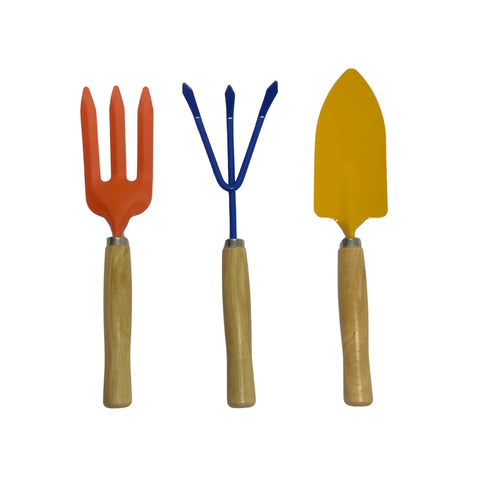
- Create a simple trellis using 3–4 strong sticks and garden twine. Push the sticks into the soil and wrap the twine around to form a climbing frame.
- Sow 6–8 seeds per container, keeping 8–10 cm between each seed so the roots don’t compete. Plant them 2.5–3 cm deep and water gently.
- Water 2–3 times a week in the growing phase. Keep the soil moist, not soggy, and water early in the morning to reduce evaporation.
- After 2 weeks, add a thin layer of vermicompost or strained cow dung manure on top of the soil. Repeat every 25–30 days if the plant looks pale or slow.
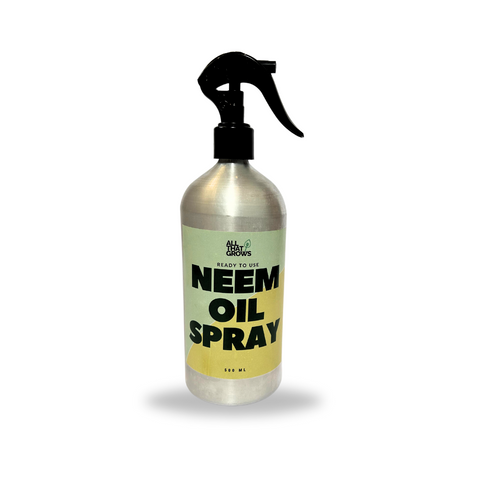
- For aphids or small insects, spray neem oil. For fungus, dust cinnamon powder lightly on the soil.
- You can protect plants from pigeons and other birds with netting or shiny deterrents like old CDs.
When to Harvest and How to Store Peas

Peas are usually ready for harvest 60–70 days after sowing. Once the pods look plump, firm and bright green, and peas inside feel round and full when touched gently, your peas are ready for harvest. Don’t wait until the plant starts drying, the peas may not taste as fresh. When harvesting, hold the vine gently with one hand and pluck the pod with the other. Avoid pulling the plant to prevent damage. In case you have a lot of pea harvest at your hand, keep pods unwashed in an airtight box or zip pouch. They stay fresh for up to 7 days. If you are storing peas without the pods, shell them and refrigerate them to use as frozen peas.
And now, a classic recipe to try: Pattani (Green Pea) Sundal

This is a regional recipe from Tamil Nadu.
Ingredients
- 2 cups fresh green peas (shelled)
- 1 tbsp coconut oil (or any cooking oil)
- 1 tsp mustard seeds
- 1–2 green chillies (chopped)
- 8–10 curry leaves
- 3 tbsp grated coconut
- ½ tsp turmeric
- Salt to taste
- A squeeze of lemon (optional)
Method
- Steam or boil peas until soft (8–10 minutes).
- Heat oil in a pan and add mustard seeds.
- Add chillies, curry leaves and turmeric.
- Stir in peas and salt, cook for 2–3 minutes.
- Add grated coconut, mix well, turn off heat.
- Add lemon if you like, and serve warm.
Remember good plant parents don’t follow strict rules, they observe their plants.
Happy gardening to you!

Leave a comment