


Grow Your Own Wheatgrass Microgreens at Home
Previous PostWheatgrass came before matcha! Yes, wheatgrass juice has been in the trend before matcha took over “what I drink for better health” content on social media.

Wheatgrass has now become a familiar sight in health food cafés, juice bars and wellness kitchens. And, you do not need to buy expensive bottled shots or packaged powders to enjoy it. Wheatgrass is one of the easiest greens to grow at home with close to none supplies. It requires very little space, equipment or gardening experience. With a tray, growing medium like soil or cocopeat, water and good-quality seeds, you can grow a fresh supply on a sunny window or balcony.
What Are Wheatgrass Microgreens?

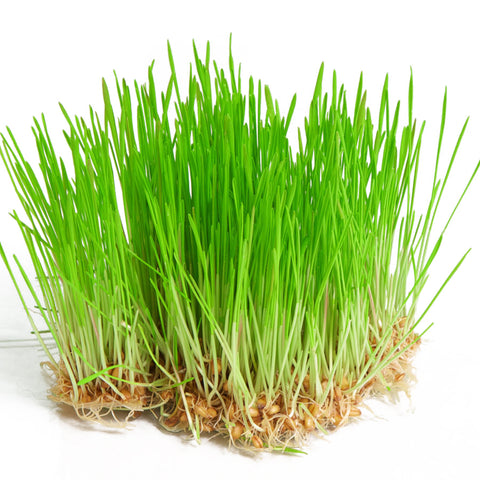
Wheatgrass is the young green shoot of the common wheat plant (Triticum aestivum). It is harvested while the leaves are still tender and is commonly used for fresh juice, smoothies and powdered greens. Its popularity comes from its bright green colour and its content of chlorophyll, vitamins, minerals and other plant compounds.
Wheatgrass is popular in health food culture because it contains a range of nutrients and plant compounds. It provides vitamins such as vitamins A, C, E and K, along with minerals including iron and calcium. It also contains chlorophyll, carotenoids and other naturally occurring plant compounds. The exact nutritional content can vary depending on the variety, growing conditions and whether the wheatgrass is consumed fresh, juiced or dried.
Why Grow Wheatgrass at Home?

Growing wheatgrass at home means you can harvest it when you need it, rather than storing it for long periods. It is quick to grow, needs only a small tray and can provide several cuts from one planting.
Most importantly, growing it yourself gives you greater control over what goes into your growing tray. Our non-treated wheatgrass seeds are perfect for beginners. Freshly harvested wheatgrass can then go straight from your tray to your green smoothie blender.
What You Need to Grow Wheatgrass at Home

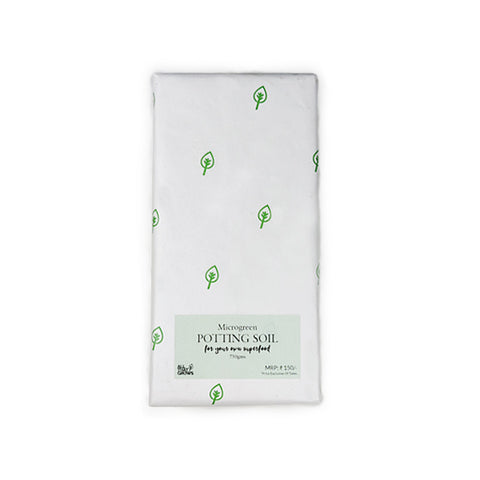
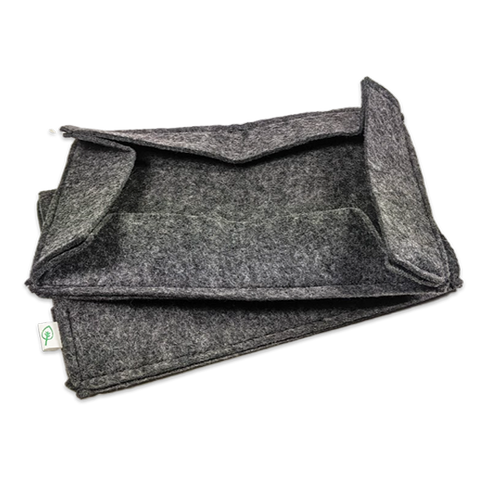
You only need a few simple supplies: a shallow tray with drainage holes (even the plastic containers that come with fruits etc on Blinkit will do), good-quality growing medium such as cocopeat or garden soil with no weeds, clean water and non-treated wheatgrass seeds. A tray around 5–8 cm deep is sufficient. That’s all, literally!
How to Grow Wheatgrass Microgreens from Seeds

- Rinse the wheatgrass seeds and soak them in clean water for around 8–12 hours. This helps soften the seed coat and encourages quicker germination.
- Fill your tray with a moist, well-draining soil/cocopeat. Level the surface gently without compacting it too much.
- Spread the soaked seeds evenly across the surface. They can be sown fairly closely, as wheatgrass is normally grown as a dense carpet of shoots.
- Cover the tray lightly for one or two days and keep the growing medium consistently moist. Avoid soaking it, as excess moisture can encourage mould.
- Once the seeds sprout, uncover the tray and place it somewhere bright. Rotate the tray occasionally so the grass grows evenly.
- In about 7–10 days, the shoots should be tall, green and ready to harvest, depending on temperature, light and growing conditions.
Harvesting Wheatgrass Microgreens

Harvest wheatgrass when it is around 15–20 cm tall and has developed a healthy green colour. Use clean scissors to cut the grass just above the growing medium.
Unlike most microgreens, wheatgrass has a useful cut-and-come-again characteristic. If the plants remain healthy and the soil is still fertile, you can generally expect two to three harvests from one sowing. After each cut, continue providing light and moisture and watch for fresh growth. If the tray develops mould or the regrowth becomes weak, it is better to compost the old roots and start a fresh batch.
Consuming Homegrown Wheatgrass Microgreens

The simplest option is to juice freshly harvested wheatgrass. Because the grass is quite fibrous, a cold-press or slow juicer is a better choice than a high-speed juicer for extracting the juice. It is ideal to consume the wheatgrass juice fresh soon after preparation because some compounds can decline during storage.
If you make more juice than you can drink, pour the extra juice into ice cube trays and freeze it. You can then add a wheatgrass juice cube to a green smoothie whenever you need it. Wheatgrass can also be dried and ground into a powder, which can be used in a similar way to moringa powder in smoothies, soups or other recipes.
We hope you give this easy-to-grow microgreen a try soon.
Happy gardening!




Leave a comment