


Six Basil Varieties You Must Grow at Home
Previous PostIf you have tried fresh homemade pesto or added homegrown basil to your air-frier pizza, you know exactly why a home garden must have Basil.

And lucky for you, we have not one, not two but six very distinct varieties of Basil Seeds you can grow at home in a small container.
When we say Basil is one of the easiest and most rewarding herbs to grow at home, we say it with our experience from the office kitchen garden here at AllThatGrows. Those fragrant leaves add fresh flavour to salads, pasta, curries, teas and many refreshing drinks.
From sweet green basil to deep purple one and spicy Thai varieties, there's a basil for every taste possible. This guide will help you grow basil from seed and introduce you to six wonderful varieties you can enjoy at home.
Growing Basil from Seeds

Step 1: Choose the Right Pot and Prepare the Soil
Basil grows best in containers that are 8–12 inches deep with drainage holes. Prepare an easy potting mix using: 40% garden soil, 30% compost or organic vermicompost, 30% cocopeat. Mix everything well before filling the container.
Step 2: Sow Basil Seeds
Sow basil seeds 0.5 cm deep and lightly cover them with soil. In containers, keep a spacing of 15–20 cm between plants so each one gets enough sunlight and airflow.
Some good companion plants for basil are tomatoes, marigold flowers, capsicum and oregano. Also, please avoid growing basil with Sage in the same container.
Step 3: Watering
Before germination, keep the soil slightly moist by watering gently with a small spray bottle or watering can. Avoid soaking the soil, as excess water may rot the seeds. After germination, water only when the top inch of soil feels dry. Deep watering once or twice a week is usually enough, depending on the weather in your area.
Step 4: Sunlight
Basil grows best with 6–8 hours of direct sunlight every day. It prefers temperatures between 20°C and 32°C. For balcony gardens, place the pot on an east-facing or south-facing balcony where it receives bright morning sunlight. During extremely hot summer afternoons, provide light shade to prevent leaf scorch.
Step 5: Pruning
Start pruning when the plant has 6–8 sets of leaves. Pinch off the top growing tip just above a pair of leaves. Regular pruning encourages the plant to branch out, producing more leaves instead of becoming tall and leggy. Remove flower buds as they appear to keep the plant producing fresh foliage for longer.
Step 6: Harvesting and Storing
Start harvesting basil once the plant reaches about 15–20 cm in height. Always pick leaves from the top while leaving enough foliage for continued growth. Fresh basil can be wrapped in a damp paper towel and stored in the refrigerator for up to a week. You can also freeze chopped basil in ice cube trays with a little water or olive oil for longer storage.
Six Basil Varieties You Can Grow in Containers
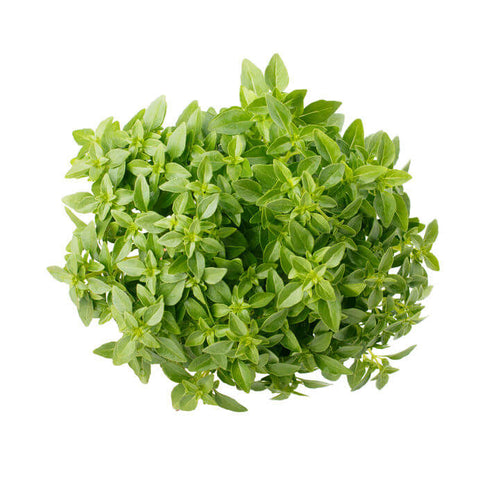
Basil Greek Ball

Greek Ball Basil forms a neat, round plant covered with tiny, aromatic leaves. Its compact size makes it perfect for windowsills, balconies and small pots. The sweet flavour is excellent for salads, soups and garnishing pizzas. It also adds a lot of aesthetic appeal to your kitchen garden.
Basil Green

Green Basil, often called Sweet Basil, is the most popular variety grown worldwide. It produces bright green leaves with a sweet, slightly peppery flavour. It is widely used in pesto, pasta, sandwiches, pizzas and tomato-based dishes.
Basil Lettuce Leaf

Lettuce Leaf Basil is known for its exceptionally large, crinkled leaves that resemble lettuce. The leaves have a mild, sweet flavour and are ideal for wraps, fresh salads and homemade pesto. One leaf can often replace several smaller basil leaves.
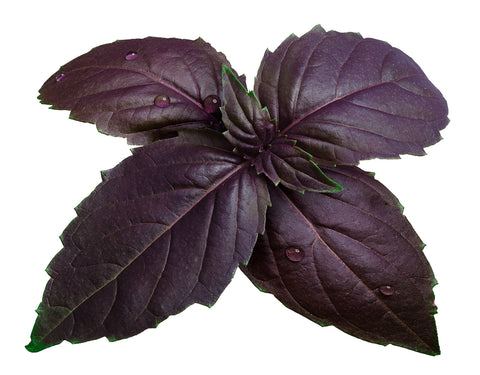
Basil Purple

Purple Basil stands out with its striking deep purple foliage and pink flowers. Its flavour is slightly stronger than Green Basil, with mild clove-like notes. It adds beautiful colour to salads, herb vinegars, beverages and ornamental gardens.
Cinnamon Basil

Cinnamon Basil has narrow green leaves with purple stems and a warm cinnamon-like aroma. It combines sweet basil flavour with subtle spicy notes. This variety is perfect for herbal teas, desserts, fruit salads and pan Asian cuisine.
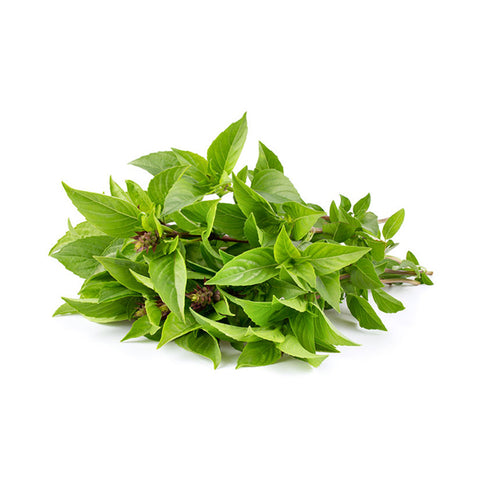
Thai Basil

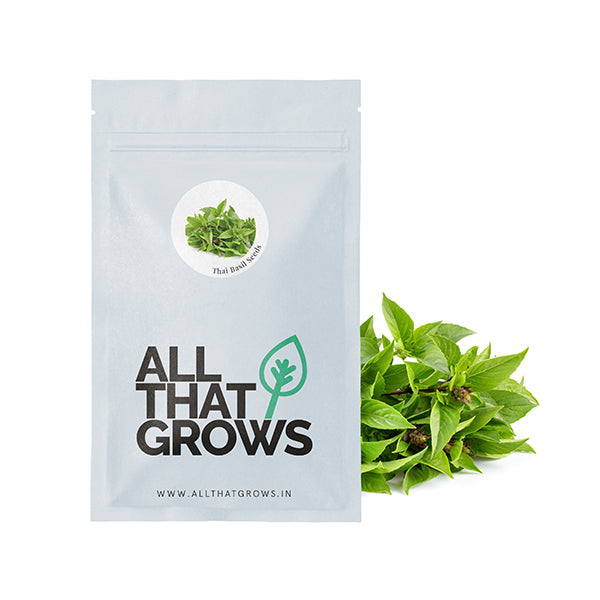
Thai Basil has pointed green leaves and distinctive purple stems. Its liquorice and anise-like flavour remains strong even after cooking. This is the most fragrant variety in our basil growing experience here at the office. It is widely used in Thai curries, stir-fries, noodle dishes and soups.
There you have it. Pick any of these six flavourful varieties of basil seeds and plant them alongside your vegetables to perk up your dinner plates without thinking too much about - What to cook?
Happy gardening!




Leave a comment