Lupin 'Pixie' packs the classic beauty of tall lupins into a neat, dwarf form perfect for pots and small gardens. Dense spires of pea-like flowers rise in a fresh mix of pinks, blues, whites and bicolours, making a striking spring-to-summer display and a charming cut flower for the vase. Compact, colourful and easy to grow, it's ideal for balconies, borders and container gardens.
Lupin Pixie Dwarf Mix can be grown successfully in containers, pots, raised beds and directly in the garden. Sow the seeds at a depth of approximately 0.5–1 cm, covering them lightly with fine soil. Maintain a plant-to-plant distance of around 20–25 cm to allow the plants enough room to develop. Keep the soil evenly moist during germination and avoid disturbing the young roots once seedlings are established.
Common problems can include aphids, slugs and snails, particularly when plants are young and tender. Poor air circulation and consistently wet foliage can encourage fungal problems such as powdery mildew. Inspect plants regularly and remove affected leaves promptly; avoid overhead watering and maintain good spacing.
Lupins prefer fertile, well-draining soil that is rich in organic matter. A slightly acidic to neutral soil, around pH 6.0–7.0, is generally suitable for healthy growth.
Choose a spot that receives full sun to partial shade, with around 4–6 hours of sunlight each day. A sunny position encourages stronger stems and better flowering, particularly during the cooler growing season. Provide some protection from strong winds, as the flowering spikes can become top-heavy.
Lupins are cool-season plants and perform best in moderate temperatures of around 10–20°C. Cooler conditions encourage healthy vegetative growth and flowering. Protect young plants from extreme heat, as prolonged temperatures above 25–30°C can cause stress and reduce flowering.
Water regularly to keep the soil evenly moist but never waterlogged, particularly while seeds are germinating and seedlings are establishing. Once plants are established, water when the top layer of soil begins to feel slightly dry. During hot or dry weather, check container-grown plants more frequently as their soil can dry out faster.
Lupin flower spikes can generally be harvested around 90–120 days after sowing, depending on growing conditions and temperature. Cut the stems when the lower flowers on the spike have opened and the remaining buds are still developing. Harvest in the cool morning hours using clean, sharp scissors or secateurs, and place the stems immediately in fresh water. Their tall, colourful spikes add height, texture and a cottage-garden feel to bouquets, mixed flower arrangements and vase displays.

The productiveness of any seed we sell is subject to your local climatic conditions*, the sowing method you adopt, and your commitment to the planting process. We give no warranty, expressed or implied, and are in no way responsible for the produce.
Please note that all our seasonal recommendations/ sowing information is as per the local climatic conditions. *For more information on the optimum conditions required for growing seeds in your region, please contact us at, hello@allthatgrows.in or Whatsapp us at, +91 8544865077
Be the first to ask a question about this.
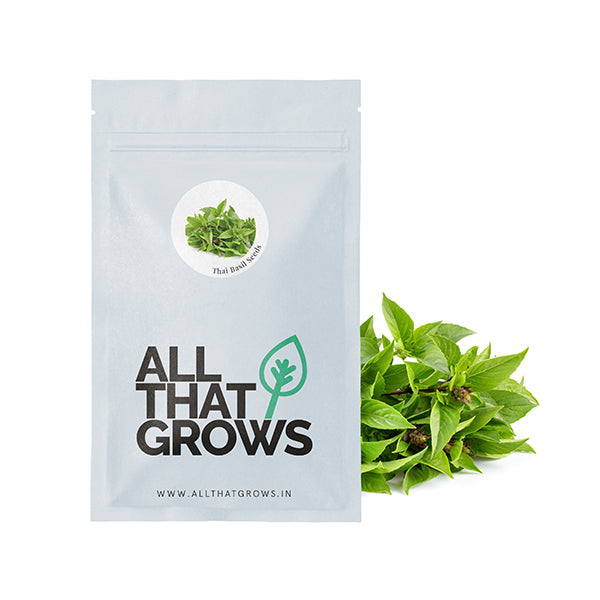
No chemicals, just fresh herbs! Get our non-treated herb seeds today and grow your own basil, mint, thyme, and more—right at home!

Step onto perfection! Our premium lawn seed collection ensures a dense, green, and envy-worthy lawn for your home. Bare patches? No more!
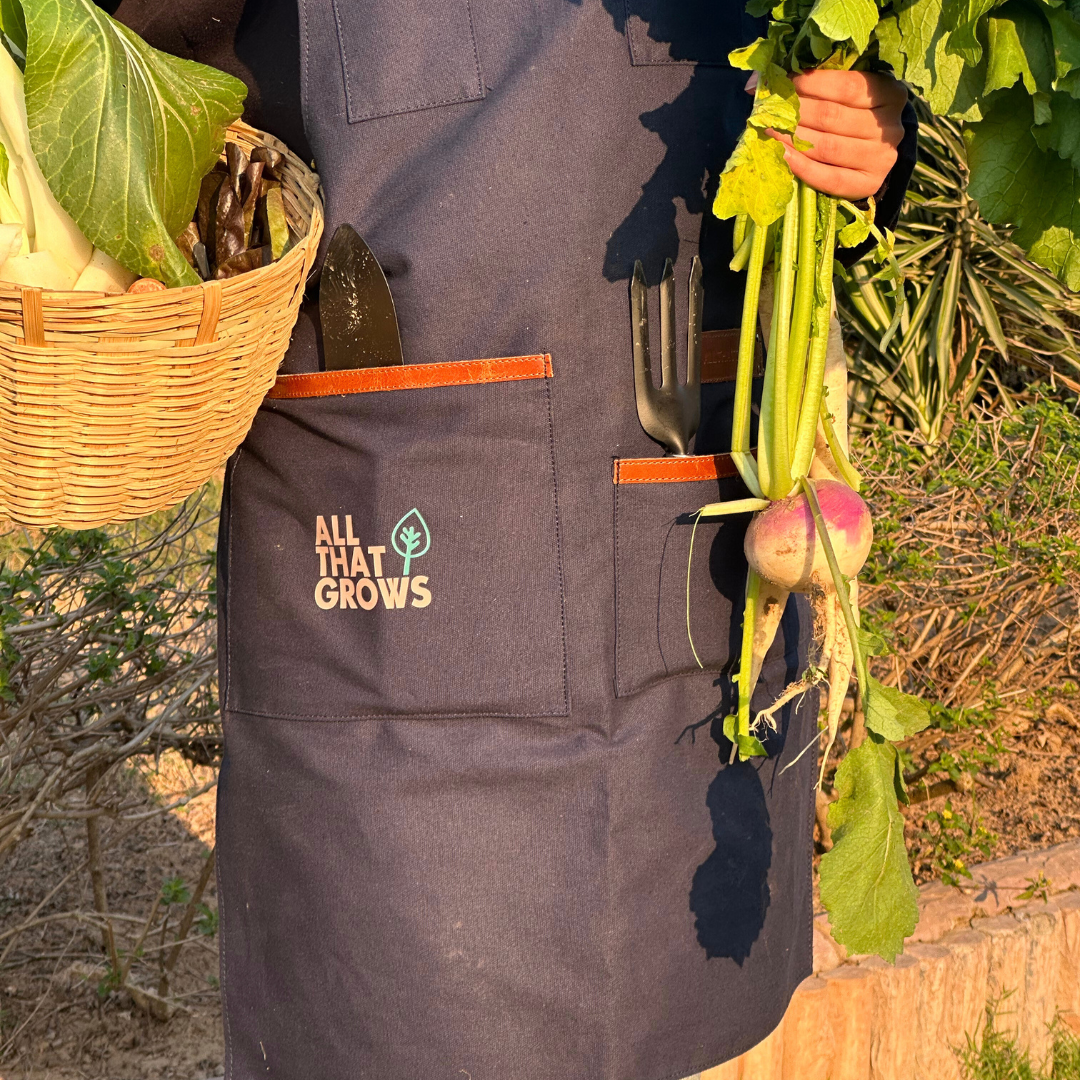
The only apron you’ll ever need! With multiple pockets and a durable design, this unisex apron is perfect for gardening, cooking, crafting, and beyond.