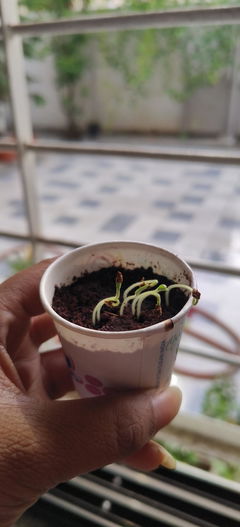
Curly Kale is a leafy green vegetable known for its beautifully ruffled, tightly curled leaves and rich green colour. The plants form a compact to medium-sized rosette, producing abundant foliage that adds texture and visual appeal to any kitchen garden. Its flavour is mildly peppery, earthy, and slightly sweet, becoming more tender after cooler weather. Curly Kale is widely used in salads, soups, stir-fries, smoothies, chips, and sautés, making it one of the most versatile greens to grow at home. Originating from the eastern Mediterranean and Asia Minor regions, kale has been cultivated for centuries for its nutritional value and reliable growth.
Curly Kale grows well in raised beds, kitchen gardens, and large containers. Sow seeds 1 cm deep in well-prepared soil. Maintain a plant-to-plant spacing of 30–45 cm to allow proper airflow and healthy leaf development. Choose containers that are at least 25–30 cm deep for best results.
Common pests include aphids, cabbage worms, flea beetles, and caterpillars. Plants may occasionally face issues such as downy mildew and black rot in humid conditions. Regular inspection and good airflow help minimise problems.
Curly Kale prefers fertile, well-drained soil enriched with organic compost. A soil pH between 6.0 and 7.5 supports vigorous growth and healthy foliage production.
Choose a location that receives full sun for at least 5–6 hours daily. In warmer regions, light afternoon shade can help prevent leaf stress and maintain tenderness.
The ideal growing temperature ranges between 10°C and 24°C. Plants tolerate light frost and often develop sweeter leaves when grown during cooler weather.
Keep the soil consistently moist but not waterlogged. Water deeply whenever the top layer of soil begins to dry. Consistent moisture encourages tender, flavourful leaves.
Curly Kale is generally ready for harvesting in 50–70 days after sowing. Begin by picking the larger outer leaves while allowing the centre leaves to continue growing. Fresh leaves can be used in salads, soups, smoothies, curries, stir-fries, pasta dishes, and baked kale chips.

The productiveness of any seed we sell is subject to your local climatic conditions*, the sowing method you adopt, and your commitment to the planting process. We give no warranty, expressed or implied, and are in no way responsible for the produce.
Please note that all our seasonal recommendations/ sowing information is as per the local climatic conditions. *For more information on the optimum conditions required for growing seeds in your region, please contact us at, hello@allthatgrows.in or Whatsapp us at, +91 8544865077
Be the first to ask a question about this.
No chemicals, just fresh herbs! Get our non-treated herb seeds today and grow your own basil, mint, thyme, and more—right at home!
Step onto perfection! Our premium lawn seed collection ensures a dense, green, and envy-worthy lawn for your home. Bare patches? No more!
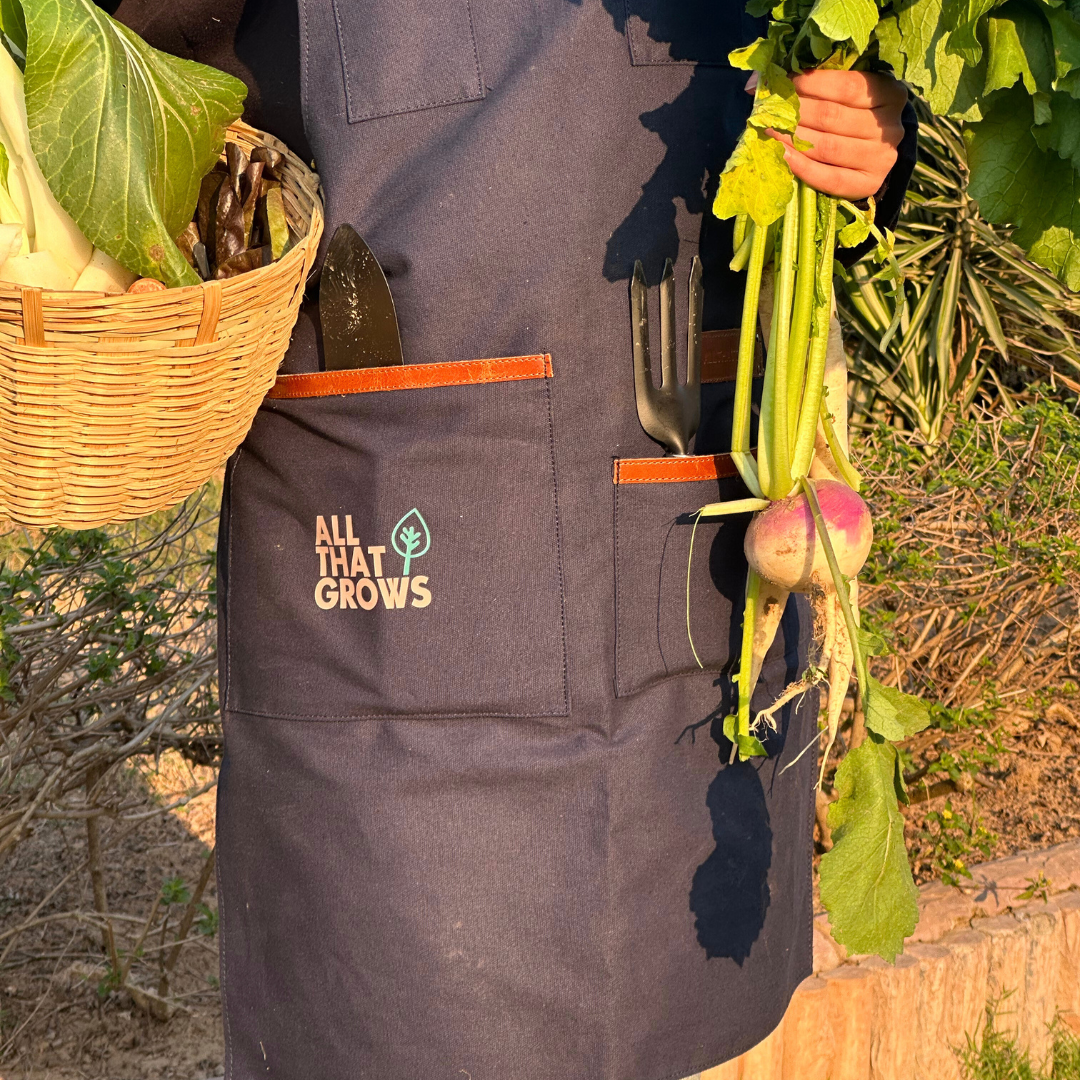
The only apron you’ll ever need! With multiple pockets and a durable design, this unisex apron is perfect for gardening, cooking, crafting, and beyond.