


Growing Bottle Gourd (Lauki/Doodhi) from Seeds: Long vs Bulb Varieties
Previous PostThere are two kinds of people - those who love the sight of Ghiya/Lauki for lunch and those who just tolerate it. No matter how divisive this quintessential summer vegetable is, it is definitely a summer staple in India.

Did you know bottle gourd, commonly known as Lauki, Doodhi, Ghiya, or Sorakaaya in India, is one of the oldest cultivated vegetables in the world and is known to have been domesticated first in Africa?
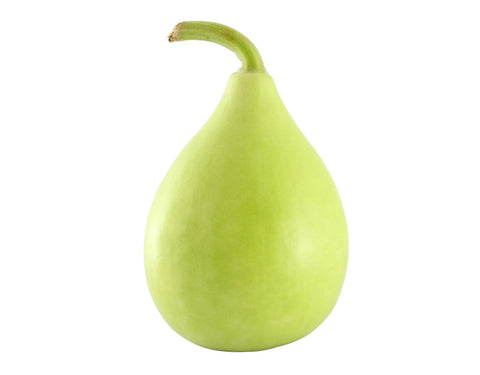
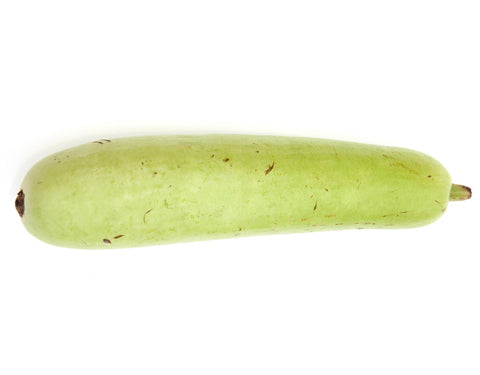
Bottle gourd, botanically known as Lagenaria siceraria, is a vining plant and a member of the Cucurbitaceae family. Interestingly, in some parts of India, bottle gourd fruits are dried and used as the base of instruments. From the comforting and simple Lauki sabzi and koftas to soups and desserts like doodhi halwa, bottle gourd is a truly versatile summer harvest for most Indian households. We have two varieties of bottle gourd seeds for you to grow at home - Bottle Gourd Bulb Seeds for smaller spaces and Bottle Gourd Long Seeds for larger spaces. Both these varieties are easy to grow at home and grow well in the warm weather from April to August.
Why Grow Bottle Gourds at Home

Although the benefits of eating bottle gourds are common knowledge because of the many health reels you might have seen on YouTube or Instagram, it is important to understand that the cleanest and most flavourful vegetables are grown at home. Now as for bottle gourds, they are rich in water, fibre, vitamin C, and essential minerals. They are low in calories and are often included in healthy diets for digestion and hydration. With homegrown bottle gourds, you can grow and harvest the fruits as you please over the summer and cook them in a variety of Indian recipes.
Best Time to Grow Bottle Gourd Seeds

All varieties of bottle gourds grow best in warm and humid weather. Let us break it down for you month-wise based on your location. In North India, seeds are usually sown from February to April and again during June and July. In South India, the mild climate allows sowing almost throughout the year, except during heavy rains. In Eastern India, the best sowing time is from February to May, while in Western India, seeds can be started from January to March and again after the monsoon season. Since bottle gourd seeds of all varieties need warmth for good germination, it is best to avoid planting them in the cold season.
Step-by-Step Guide to Growing Bottle Gourd from Seeds

Choosing the right growing spot
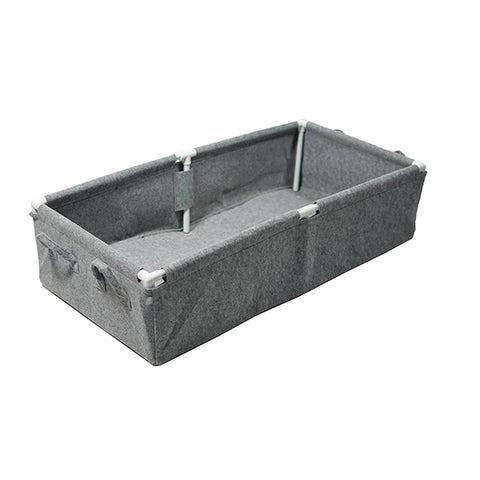
The long bottle gourd varieties need more vertical space to grow and perform best when grown on strong trellises or fences. The round or bulb-shaped varieties will also benefit from vertical support and require less space to grow. Both types grow well in the ground as well as large pots or grow bags that are at least 18–24 inches deep and wide as long as the soil is fertile.
It is important to note that bottle gourd seedlings do not like root disturbance, so it is best to sow the seeds directly where the plant will grow. However, if you are good at managing saplings, they can be started carefully in a biodegradable pot and transplanted later with minimal disturbance.
Sowing Bottle Gourd Seeds
To improve germination, soak the seeds in water overnight before sowing. It is best to use loose, fertile, and well-draining soil enriched with compost or aged cow dung manure for growing bottle gourds. Sow the seeds about 2–3 cm deep in the soil. For the long bottle gourd varieties, keep a plant-to-plant distance of about 60–90 cm between plants. Bulb or round varieties can be spaced slightly closer at about 45–60 cm apart. Water gently after sowing to keep the soil moist.
Bottle gourds produce separate male and female flowers on the same plant. Bees, ladybugs, and butterflies usually help with pollination naturally. However, if the fruit formation is poor due to lack of pollinators in your garden, you can easily hand-pollinate the bottle gourd flowers by gently transferring pollen from the male flower to the female flower using a soft paintbrush.
Sunlight and Temperature
Like all summer fruiting vegetables, bottle gourds need at least 6–8 hours of direct sunlight daily for healthy vines and fruit production. The ideal temperatures range between 25°C and 35°C. Remember that the cold weather or cold soil temperature can slow down root growth and damage young seedlings of bottle gourd plants.
Watering Bottle Gourd Plants
After sowing the seeds, keep the soil evenly moist but not soggy. Once the seedlings establish themselves, water deeply 2–3 times a week depending on the temperature. During flowering and fruiting, regular watering is very important to prevent bitter or misshapen fruits. Avoid overwatering and wetting the foliage, as waterlogged soil can lead to root rot and fungal diseases. Always test the soil moisture by sticking your finger in the topsoil and checking if it is moist or not.
Organic Fertilisers For Bottle Gourd
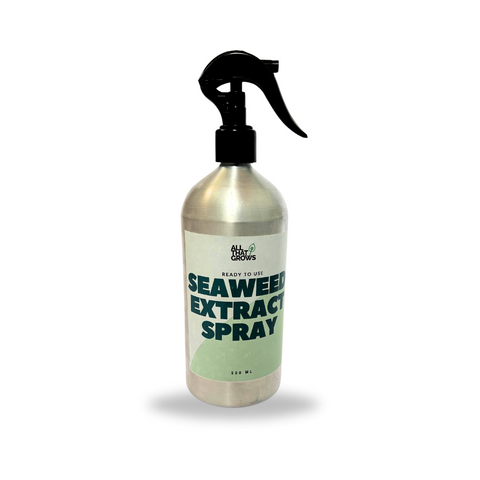
Bottle gourds are heavy feeders and benefit from regular organic fertilising for producing healthy fruits, especially if you are growing bottle gourds in pots or raised beds. This is because the soil in pots and raised beds tends to lose its fertility faster than ground soil. Add compost, vermicompost, or well-rotted cow dung manure every few weeks. Homemade fertilisers like banana peel compost tea, diluted buttermilk (chaas), or kitchen waste compost can also help with bottle gourd growth and flowering. Avoid using fresh manure directly during the seedling growth phase, as it may burn very young roots.
Common Pests and Diseases in Bottle Gourd Plants
Bottle gourd plants can sometimes attract pests like aphids, fruit flies, red spider mites, and leaf miners. Spray neem oil mixed with mild liquid soap and water every 10–15 days as a preventive measure. Fungal diseases like powdery mildew may appear during humid weather. Ensure good airflow around the vines and avoid wetting the leaves while watering. Remove damaged leaves regularly to keep the plant healthy.
When and How to Harvest Bottle Gourds

All varieties of bottle gourds get ready for harvest in 50 to 70 days from sowing under ideal growing conditions. The long bottle gourds are usually ready for harvest when they are 25–40 cm long and still tender. Bulb or round varieties should be harvested when the fruits feel firm to the touch. Use a sharp knife or pruning shears to cut the fruits without damaging the vine. Do not leave mature fruits on the plant for too long, as this slows down new fruit production and also results in dry, overripe fruits. Harvesting regularly also encourages the plant to produce more bottle gourd fruits throughout the season.
So there you have it. Bottle gourds are among the easiest vegetables to grow at home in India during the summer season, and they provide you with an abundant summer harvest for your meals and even to share with your loved ones. Give it a try this summer season.
Happy gardening!



Leave a comment