


How to Grow Pumpkin (Kaddu) at Home in India: A Complete Guide
Previous PostPumpkin, or Kaddu, is one of the easiest and most rewarding vegetables to grow at home in the summer season in India. Homegrown pumpkins taste way better than the ones we buy at the store.

So if you have a large kitchen garden or a sunny terrace, pumpkins should definitely be on your growing list for the summer. Because from curries and soups to desserts like Kaddu ka Meetha and festive dishes, pumpkin is very versatile and loves the long summer season.
Pumpkin belongs to the Cucurbit family and is believed to have originated in Central and North America thousands of years ago. The word “pumpkin” comes from the Greek word pepon, meaning “large melon”. In India, it is commonly called Kaddu, although regional names differ. It is known as Bhopla in parts of western India, and Mathanga in Kerala.
As you may already know, this summer squash is a favourite in several regional Indian dishes. In North India, it is cooked as a mildly spiced dry sabzi. In Bengal, sweet pumpkin is added to mixed vegetable dishes. In South India, the sambhar and curries are incomplete without some pumpkin in them, while Goa has its own comforting pumpkin curry called Dudhyachi Bhaji.
Pumpkin is rich in Vitamin A, fibre, antioxidants and potassium. Owing to its nutrients, it supports our eye health, digestion and immunity, making it a healthy addition to daily meals in the summer season.
Best Pumpkin Growing Season in India

Most pumpkins grow best in warm weather and need plenty of sunlight.
- North India: Sow seeds from February to April and again during June–July in plains.
- South India: Pumpkins can be grown almost throughout the year except during heavy monsoon periods.
- East India: Best sown from January to March and post-monsoon from September onwards.
- West India: Ideal sowing time is February to June.
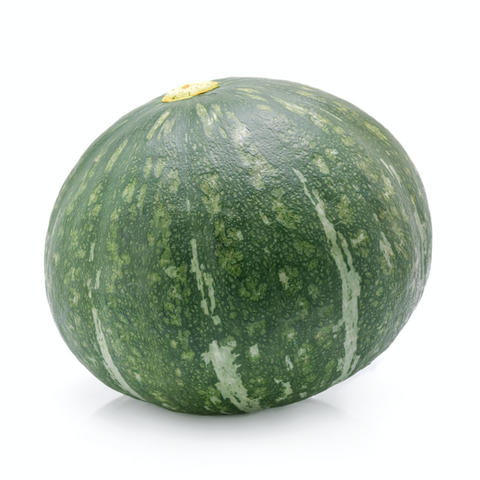
While you may have only spotted the common spherical pumpkin green at your sabziwala, we have two more varieties for you to try. Pumpkin halloween which are a signature of the halloween festival in autumn in the west and yellow of paris pumpkin which is a classic French heirloom variety known for its large, round fruits with smooth, golden-yellow skin and thick, sweet flesh.
Can You Grow Pumpkins in Pots?

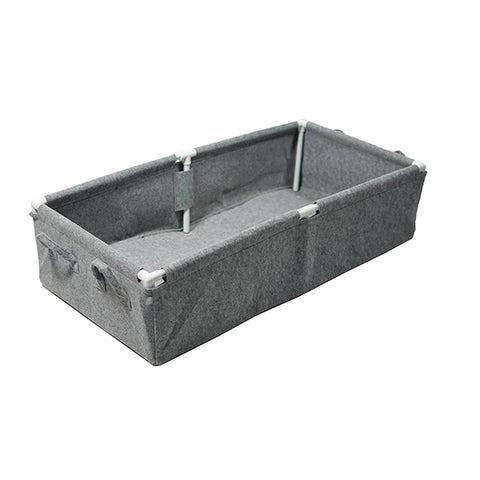
The short answer to this question is Yes, pumpkins can be grown successfully in large pots or grow bags. To be specific, you must choose a container that is at least 18–24 inches deep and wide with proper drainage holes. Use a sturdy trellis or allow vines to spread across the terrace or balcony floor. Bush-type or compact pumpkin varieties perform better in containers, though even larger types can grow if given enough space, nutrition and sunlight.
Growing Pumpkin (Kaddu) from Seeds
Pumpkins are best grown directly from seeds as they germinate quickly and adapt well to warm soil. Soak seeds in water for 6–8 hours before sowing to improve germination rates. Seeds usually germinate within 5–10 days under warm conditions.
Planting Pumpkin Seeds

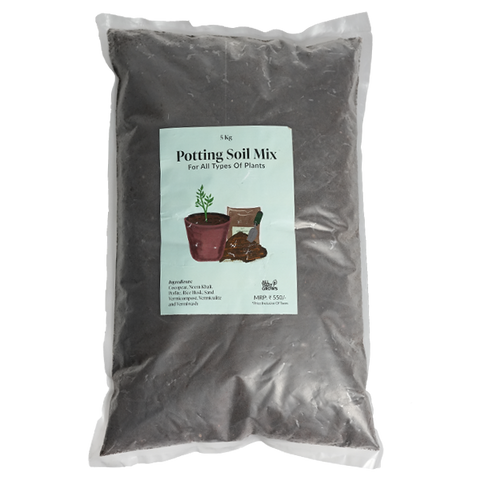
Pumpkins grow best in loose, fertile and well-draining soil rich in organic matter. Mix garden soil with compost and cocopeat for better aeration. The sowing depth should be not more than 1–1.5 inches and maintain a plant-to-plant distance of about 3–5 feet for vines to spread. Ideally the row spacing should be anywhere between 6–8 feet.
For example, if growing on a terrace, one large grow bag should ideally contain only one pumpkin plant/vine.
Although pumpkins prefer direct sowing, transplanting seedlings is also possible if done carefully without disturbing the roots too much.
Sunlight and Temperature

Pumpkins like the soil warm and slightly moist before germination. Pumpkin seeds germinate best at temperatures between 22–32°C. After germination, plants need at least 6–8 hours of direct sunlight daily. Healthy sunlight exposure encourages flowering and better fruit development.
Watering Pumpkins

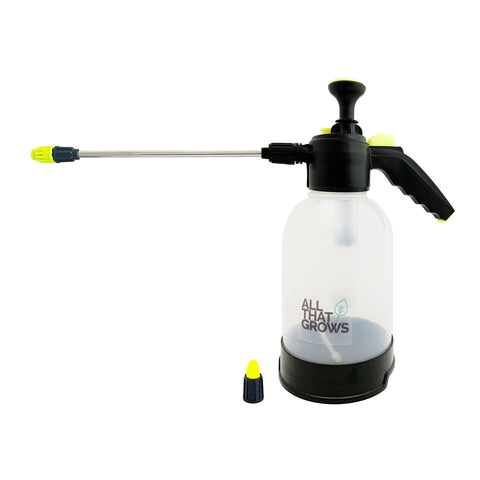
Before germination, water lightly to keep the soil moist but never soggy. After germination, water deeply 2–3 times a week depending on the weather. Avoid splashing water directly over the fruits and leaves as excess moisture may cause fungal diseases. Drip irrigation or watering near the root zone using a watering sprayer works best. Mulching around the plant also helps retain soil moisture during hotter months. If the soil dries quickly or temperatures become too high, mulching is highly recommended. Dry leaves, straw or sugarcane mulch help retain moisture and prevent weeds.
Pumpkin Flowers and Pollination

Pumpkin plants produce both male and female flowers. The male flowers appear first and grow on thin stems while the female flowers have a tiny swollen bulb at the base which later develops into the pumpkin fruit.
Bees and friendly insects usually handle pollination naturally. However, if fruit production is low, hand pollination can help. Simply transfer pollen from the male flower to the centre of the female flower using a soft brush.
Did you know that pumpkin flowers are edible and are often used in fritters and traditional dishes across India.
Feeding Pumpkin Plants

Pumpkins are heavy feeders and need regular nutrition. Some effective homemade fertilisers are:
- Vermicompost
- Cow dung manure
- Banana peel fertiliser for flowering
- Mustard cake fertiliser
- Compost tea
- Wood ash in small amounts for potassium
Feed the plants every 15–20 days during the growing stage for healthier vines and better fruiting.
Companion Planting

Companion planting is one of the oldest gardening tricks to plant mutually beneficial seasonal plants together. Some of the good companion plants for pumpkins include:
- Marigold
- Nasturtium
- Beans
- Corn
- Radish
These plants help attract pollinators and reduce pest attacks naturally.
Managing Pests and Diseases

Common pumpkin pests include aphids, fruit flies and red pumpkin beetles. Powdery mildew is also common during humid weather. Natural ways to manage them include:
- Spraying neem oil solution weekly
- Using garlic-chilli spray
- Removing infected leaves immediately
- Encouraging beneficial insects like ladybirds
- Avoiding overhead watering
Good airflow and proper spacing also help prevent fungal diseases.
Harvesting Pumpkins

Pumpkins are ready for harvest when the skin becomes hard and develops full colour. The stem also starts drying slightly. For Pumpkin Green, the days to harvest range between 80–100 days, for Pumpkin Halloween, it is somewhere between 90–120 days, and for the French variety Yellow of Paris Pumpkin, harvesting would be anywhere between 95–110 days after germination.
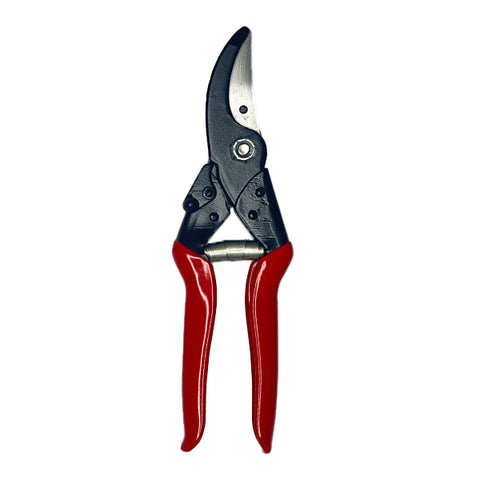
Use a sharp knife or pruner to cut the fruit with 2–3 inches of stem attached. Never pull the fruit from the vine. Store harvested pumpkins in a cool, dry and ventilated area and share extra produce with your friends and neighbours.
Recipe: Goan Pumpkin Curry (Dudhyachi Bhaji)

Ingredients
- 2 cups pumpkin pieces
- 1 onion, chopped
- 2 green chillies
- ½ cup grated coconut
- 1 tsp mustard seeds
- Curry leaves
- Salt to taste
- 1 tbsp oil
Method
Cook the harvested pumpkin pieces until they become soft with water in a covered pan. Then, in a separate pan, heat oil of your choice and add mustard seeds, curry leaves, onions and chillies. Add pumpkin and grated coconut. Mix well and cook for 5 minutes. Serve hot with rice or chapati.




Leave a comment