


Grow Lemongrass from Seeds at Home
Previous PostIf you have ever ordered Lemongrass tea in a café, you would instantly understand why we recommend growing this fragrant herb at home.

Lemongrass is one of the most rewarding, easy to grow herbs for a home gardener because of its versatility. Lemongrass AKA Cymbopogon citratus is believed to have originated in South and Southeast Asia. Today, it is widely grown across India, Thailand, Vietnam, Sri Lanka, Malaysia, Africa, Australia and South America because of its culinary, medicinal and ornamental value.
Its refreshing citrus aroma makes it a favourite ingredient in kitchens around the world. Apart from being a great flavour addition to cooking, lemongrass is also used in herbal teas, essential oils, perfumes and traditional home remedies. It thrives in warm weather, making it an excellent choice for Indian home gardens.
Lemongrass - Flavour and Taste Profile

Lemongrass plant grows as a dense clump of long, narrow green leaves that can reach 90–150 cm in height. The plant has thick, pale-green to white stalks at the base, which are the most commonly used edible part. These lemongrass stalks have a fresh lemon flavour with mild aftertaste of ginger, while the grass like leaves have a stronger citrus fragrance and are mainly used to flavour all kinds of recipes ranging from teas, soups, deserts to stocks before being removed. As you may have noticed while ordering Southeast Asian dishes, lemongrass is widely used in Thai curries, Vietnamese soups, Indonesian dishes, and Malaysian cuisine. Lemongrass is also used in Indian herbal teas and South Indian recipes like Rasam, Coconut curries etc. You can also add it for a refreshing flavour to desserts, syrups and beverages. In fact, a desert recipe using fresh lemongrass is waiting for you at the end of this guide!
When to Grow Lemongrass in Different Parts of India

Since lemongrass is a tropical plant, it grows best in warm and humid conditions. Check out the best period for growing Lemongrass from seeds across India:
- North India: Sow seeds from February to April, after the cold season
- East India: Sow from February to June
- West India: Plant seeds between February and May
- South India: Lemongrass can be grown almost throughout the year, although February to September offers the best growing conditions
Avoid sowing during extremely cold weather as low temperatures can considerably slow down germination rates.
Why Growing Lemongrass in Containers Is the Best Choice

Short Answer: It is an invasive plant and competes with other plants for water and soil nutrition. Hence, it is best to contain it.
Lemongrass grows into large clusters and spreads profusely as it matures. In garden beds, it can become invasive by occupying more space than expected and competing with nearby plants for soil nutrients. Growing it in a large container, at least 15–20 inches wide, keeps the plant manageable while allowing the roots enough room to grow. Container-grown plants are also easier to move during extreme weather and give you a better control over your garden.
If you are planting Lemongrass seeds in raised beds or gardens, choose companions like basil, marigold, lavender and rosemary, as they enjoy similar growing conditions and help attract beneficial insects. Avoid planting lemongrass close to mint, pumpkins, cucumbers or sprawling gourds like Bottle Gourd (Lauki), Apple Gourd (Tinde), and Zucchini, as these plants compete heavily for water, nutrients and growing space.
Growing Lemongrass from Seeds

Soil Mix
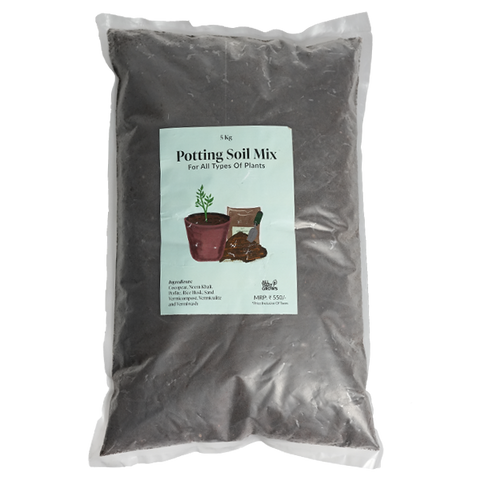
Lemongrass plants grow best in fertile, well-draining soil rich in organic matter. Mix 40% garden soil, 40% compost or vermicompost, and 20% cocopeat to make your own potting mix or you can order our easy to use potting mix for this. This combination provides good drainage while retaining enough moisture for healthy growth.
Sowing Seeds
Sow the seeds about 0.5 cm deep and cover them lightly with soil. Keep a spacing of 30–45 cm between plants if growing in beds, or sow 3–4 seeds in one large pot and thin later. Water gently after sowing to avoid disturbing the seeds.
Watering
Germination usually takes 10-20 days. Keep the soil evenly moist and warm during this period. Once the plant has germinated, water deeply whenever the top layer of soil feels dry on touch. Avoid water-logging, as constantly wet soil may cause root rot.
Sunlight
Lemongrass loves sunlight. Place the plant where it receives 6–8 hours of direct sunlight every day. Insufficient sunlight results in thin leaves, slower growth and lack of flavour.
Temperature
The ideal temperature for growing lemongrass is 20°C to 35°C. Protect young seedlings from cold winds and frost, as exposure to low temperatures can damage the plant.
Thinning
Once seedlings develop 3–4 true leaves, remove the weaker ones, leaving the healthiest plants behind. Proper spacing improves airflow and allows each plant to grow into a healthy cluster.
Pests and Diseases
Lemongrass is naturally resistant to most pests, but occasionally aphids, spider mites and mealybugs may appear. Spray the leaves with neem oil solution once every 10–15 days if you find pests lurking. Good airflow and proper drainage can help prevent fungal diseases and root rot.
Fertilising
Remember when growing in a container, soil tends to lose nutrients faster. That’s why it is best to apply well-rotted compost or vermicompost once every four to six weeks during the growing season. You can also use diluted liquid compost or homemade compost tea every month.
Harvesting and Storing Lemongrass

Lemongrass is usually ready for harvest 4–6 months after sowing. Cut mature stalks close to the base using a sharp knife while leaving the younger shoots to continue growing. Fresh stalks can be stored in the refrigerator for up to two weeks or chopped and frozen for several months. The leaves can be dried and stored in airtight containers for making herbal tea.
Recipe: Lemongrass Coconut Rice Pudding

Ingredients
- ½ cup short grain rice
- 2 cups milk
- 1 cup coconut milk
- 2 fresh lemongrass stalks, lightly crushed
- ¼ cup sugar or jaggery
- ¼ tsp cardamom powder
- Chopped almonds and pistachios for garnish
Method
Wash the rice and cook it with milk until they turn soft and milky. Add the crushed lemongrass stalks and simmer for 10 minutes to infuse the flavour. Remove the stalks, then stir in coconut milk, sugar or jaggery and cardamom powder. Cook for another 5 minutes until creamy. Garnish with chopped nuts and serve warm or chilled.
Happy Gardening!





Leave a comment