


Grow the New Patty Pan Squash at Home: A Complete Guide
Previous PostIn our quest to get you the best seeds from around the world, we’ve managed to get a true summer marvel just in time for spring sowing. Meet Patty Pan Squash!

Patty pan squash, also known as custard white squash, is indeed a charming summer vegetable known for its small, round shape with scalloped edges. And about the intriguing name - patty pan, it comes from its resemblance to a small baking tin used for making patties. It belongs to the Cucurbitaceae family, the same plant family as pumpkins, cucumbers and courgettes.
Originating from the Americas, patty pan squash is now popular around the world. The squash fruits are usually pale white, light green or yellow. They have tender flesh and a mild, slightly nutty flavour. When harvested young, they are soft, creamy and perfect for quick cooking for a variety of dishes.
Understanding the Patty Pan Squash Plant

The patty pan squash plant is a bush-type summer squash plant. Unlike the usual summer pumpkin vines, it grows in a compact form, making it suitable for smaller kitchen gardens like balcony gardens or raised bed gardens. The plant has large green leaves like other summer squashes and produces bright yellow flowers that later turn into squash.
It can be grown vertically with support, especially in small spaces or balconies. Patty pan squash plant may not be a naturally climbing plant, you can gently guide its stems onto a small trellis or stake to save space. It grows very well in containers, making it ideal for urban gardeners.
How to Grow Patty Pan Squash At Home

Planting the Seeds
Let’s start with the good part! Sow these patty pan seeds directly into the soil at a depth of about 2–3 cm. Keep a distance of 45–60 cm between plants so they have enough space to spread. If growing in containers on a balcony, choose a pot that is at least 12–15 inches deep and wide. Ensure the container has good drainage holes.
If you wish to grow vertically, install a sturdy trellis made up of bamboo sticks and twine at the time of planting. This prevents root disturbance later on during the growth phase of the plant.
Choosing the Right Soil
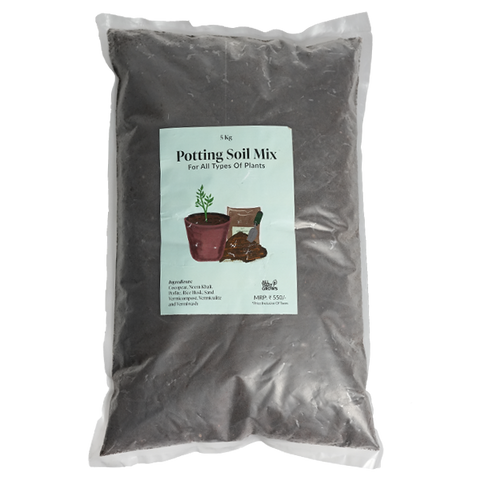
Patty pan squash likes well-drained, loose and fertile soil. Mix normal garden soil with compost or well-rotted cow dung manure before planting. Adding cocopeat or leaf mould improves drainage and keeps the soil light. The soil should feel moist but not sticky.
Watering at Different Growth Stages
Water thoroughly right after planting to help seeds settle. During germination and early growth, keep the soil evenly moist but not waterlogged. Once the plant starts flowering and forming fruits, increase watering slightly, as squash plants need consistent moisture for good fruit development.
Always water at the base of the plant early in the morning. Avoid wetting the leaves to reduce fungal problems.
Sunlight
Patty pan squash loves full sunlight. Ensure the plant receives at least 6–8 hours of direct sunlight daily. Balconies that face south or west usually work well. Please remember, without enough sunlight during the day, the plant may produce fewer fruits.
Ideal Temperature and Humidity
This squash grows best in warm weather between 20°C and 32°C. Hence, the summer season in India is the best season to grow this squash. It does not tolerate frost. Moderate humidity works well, but excessive moisture in the air may lead to fungal diseases. Good air circulation helps keep the plant healthy.
Common Pests and Diseases
Keep an eye out for aphids, whiteflies and squash bugs. Diluted neem oil spray once every 10–14 days works well as a natural preventive method. Very humid conditions around the plant can lead to powder mildew diseases forming a white powdery layer on leaves. Buttermilk also works wonders in preventing this naturally.
To prevent fungal diseases, ensure good spacing between plants and avoid overhead watering during late evenings.
Feeding Your Plant Naturally
No need for fancy fertilisers from the nursery. You can use simple and natural fertilisers available at home. Add home made compost, vermicompost or well-rotted cow dung every 2–3 weeks. Banana peel compost adds potassium, which helps in flowering and fruiting. Wood ash can also be sprinkled lightly around the base for added nutrients.
Harvesting and Storing Patty Pan Squash

Patty pan squash gets ready for harvesting in 50-60 days after germinating. Harvest patty pan squash when they are small and tender, usually 5–8 cm wide. Younger fruits taste better and have softer skin. Use clean scissors or pruning shears to cut the fruit from the stem. Fresh squash can be stored in the refrigerator for up to one week. Do not wash before storing; wash only before cooking.
Recipe: Golden-Brown Patty Pan Squash Fritters

Ready with some patty pan squash harvest? Let us give you a quick recipe to use them for the first time.
Grate 2–3 fresh patty pan squash and lightly squeeze out excess water. In a bowl, mix the grated squash with 1 finely chopped onion, 2 tablespoons gram flour (besan), 1 tablespoon rice flour (for crispiness), 1 chopped green chilli, salt, black pepper and a pinch of turmeric. Add a little water only if needed to form a thick batter.
Heat oil in a shallow pan. Drop small spoonfuls of the mixture into the hot oil and flatten slightly. Cook on medium heat until both sides turn golden brown and crisp. Drain on kitchen paper and serve hot with mint chutney or tomato ketchup.
We hope you enjoy growing and harvesting your own batch of this delightful little summer squash this year.
Happy gardening!







Leave a comment