


How to Grow Marigold Flowers at Home: A Complete Guide
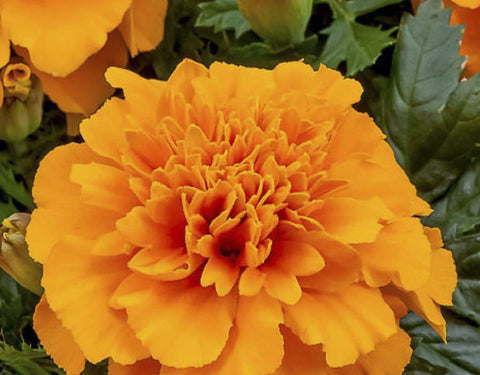
Previous PostIn India, marigold flowers are an integral part of festive decor in most regions. The bright orange and yellow flowers not only add the most cheerful vibe, they also last very long.

Marigolds are among the easiest and most rewarding flowers to grow at home for a home gardener. Their bright yellow and orange blooms can bring colour to balconies, terraces and kitchen gardens. They are also quite useful as companion plants because their strong scent makes them a useful addition to vegetable-growing spaces by warding off unwanted pests.
And did you know that marigolds are native to Mexico and parts of Central America, where species of Tagetes have been cultivated for centuries. They were used by Indigenous communities for ornamental, cultural and traditional purposes. The flowers later travelled to Europe and other parts of the world through Spanish exploration and trade.
The name ‘marigold’ is derived from ‘Mary’s gold’, a name used in Europe for yellow and golden flowers associated with the Virgin Mary. Marigolds eventually reached India through European trade routes, particularly during the colonial period. They became deeply woven into the varied Indian culture and are now widely used during festivals, weddings, religious ceremonies and everyday celebrations. Our marigold garlands hang for days during the autumn winter months at the main entrance of houses.
Why Grow Marigolds in your Vegetable Garden

Marigolds are more than just ordinary ornamental flowers. When planted around vegetables, their strong fragrance may help discourage some garden pests, while their flowers attract pollinators and other beneficial insects. They work particularly well when planted alongside tomatoes, beans, chillies, capsicum, brinjal and many leafy vegetables.
Avoid overcrowding marigolds around small vegetables, as dense planting can reduce airflow and increase competition for water and nutrients.
How to Grow Marigolds from Seeds in Pots

1. Supplies required
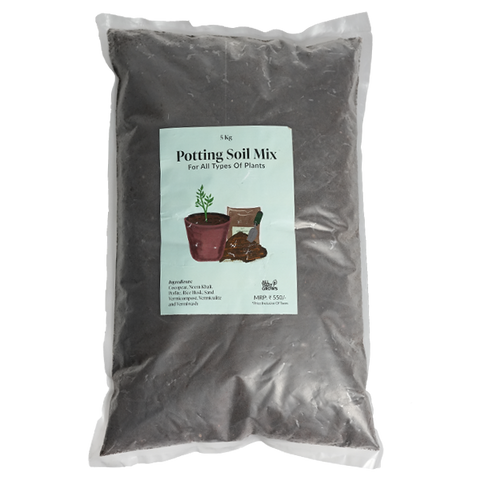
Start with a good-quality, well-draining potting mix made from garden soil, compost and cocopeat or another material that improves drainage. A container at least 8–10 inches deep and wide with a drainage hole is suitable for one or two plants, while larger pots can accommodate more plants with adequate spacing.
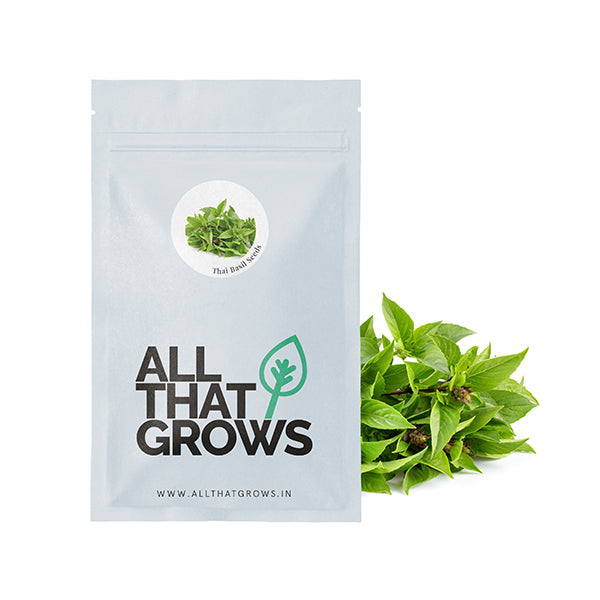
You can grow several attractive varieties, including Marigold Hawaii Orange, Marigold Gulzafri Orange, Marigold Gulzafri Yellow, and French Marigold Seeds.
2. Sowing the Seeds
Sowing times vary across India because temperatures differ between regions. In North India, sow from September to November and again from February to March. In South India, marigolds can generally be sown from October to February, with additional sowing possible during suitable cooler periods. In East India, September to November and February to March are useful windows, while in West India, October to January is generally suitable.
Sow seeds about 0.5–1 cm deep and cover them lightly with soil. Once seedlings develop, maintain around 20–30 cm between plants, depending on the variety.
3. Sunlight
Marigolds flower best when they receive plenty of direct sunlight. Give them around 6–8 hours of direct sunlight every day for strong growth and healthier blooms. A sunny balcony, terrace, windowsill or garden bed will work perfectly well for growing them from seeds.
4. Watering
Keep the soil lightly moist while seeds are germinating. Once established, water when the top layer of soil feels dry rather than following a fixed daily schedule. Water at the base of the plant and only water when the soil feels dry on touch.
5. Temperature
Marigolds prefer warm conditions but perform particularly well when temperatures are moderate. The ideal growing temperature ranges between 18–30°C. Protect young plants from severe cold and extreme afternoon heat, especially when growing them in containers.
6. Common Pests and Diseases
Keep an eye out for aphids, spider mites, whiteflies and caterpillars. Remove small infestations by hand or gently wash the leaves with water; neem oil spray can also be used as a simple garden treatment when applied correctly.
Overwatering and poor air circulation can contribute to fungal problems such as powdery mildew and root rot. Good drainage, adequate spacing and watering at the soil level can help prevent these issues.
7. Fertilizing for Better Blooms
Marigolds do not need heavy feeding. Mix well-rotted compost or vermicompost into the soil before planting and add a small amount as a top dressing during active growth. Avoid excessive nitrogen fertilizers, as it can encourage leafy growth with no flowering.
Using Your Marigolds as Cut Flowers

Depending on the variety and growing conditions, marigolds can take around 8–12 weeks from sowing to produce their first full blooms. Once the flowers open properly, cut them in the morning using clean, sharp scissors, preferably when the blooms are fresh and the weather is cool.
Marigolds can be displayed on their own or combined with other seasonal flowers in simple vases or can be used with mango leaves to make your own festive garlands. Remove leaves that would sit below the water level, place the stems in clean water and change the water regularly to keep the arrangement fresh.
Marigolds are a wonderful choice for gardeners who want colour, fragrance and useful flowers without complicated care. We hope you give them a try this sowing season.
Happy gardening!









Leave a comment