


A Simple Guide to Perfect Sowing Depth for Seeds
Previous PostFor a seed seller, some part of the day is likely spent on helping new gardeners with growing issues. More often than not, it has a lot to do with how the seeds were sown.

And sowing depth is a significant part of those queries and their resolution.
Like us humans, not all seeds are the same. They need different conditions to grow and yield harvest. That’s exactly why sowing depth plays such an important role in successful gardening. We have seen a lot of new gardeners struggle with germination merely owing to the fact that they sowed their seeds too deep or too shallow.
Believe it or not, some seeds are so tiny you can barely handle them without spilling them everywhere, while others are large and need to be buried deeper in the soil. Getting this right can be the difference between healthy seedlings and poor germination. When you sow seeds at an optimal depth, you give them the best chance to sprout, grow strong roots, and develop into healthy plants.
Common Sowing Mistakes Beginners Make

One of the most common mistakes is sowing seeds too deep. When seeds are buried too far into the soil, they may not get enough light or energy to push through the surface. For example, small seeds like lettuce often fail to sprout when planted deeply.
On the other hand, sowing seeds too shallow can also cause problems. Seeds left on the surface may dry out quickly because they struggle to get moisture from the soil or get washed away during watering. For instance, tomato seeds placed too close to the surface may not stay moist enough to germinate properly.
Understanding Why Depth Affects Germination

Sowing depth directly affects how well a seed can germinate. Some seeds can be sown directly into the soil, while others are better started in trays and then transplanted. In both cases, depth remains important. There are also seeds that need light to germinate, such as lettuce and basil. These should not be covered with soil, or only lightly pressed into it. If these seeds are buried, they may take long to sprout.
At the same time, seeds that are not covered properly can dry out or get eaten by birds and insects or get blown by the wind. A thin layer of soil helps retain moisture and protects the seed while it begins to grow.
Sowing Depth Based on Seed Size

Small Seeds (Very Shallow Sowing)
Small seeds like lettuce, basil, brassica and celery are very tiny - often just 1–2 mm in size. These should be sown on the surface and covered very lightly, or simply pressed into the soil. A thin sprinkle of soil is enough to hold moisture without blocking light.
Medium Seeds (Light Covering)
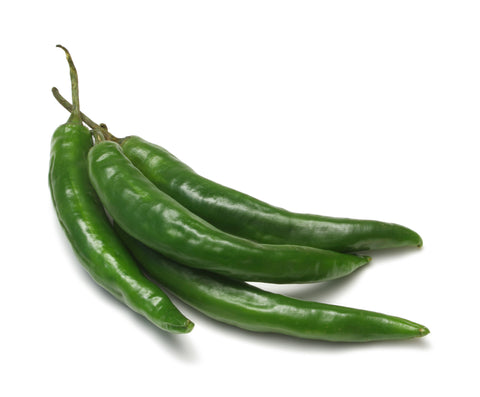
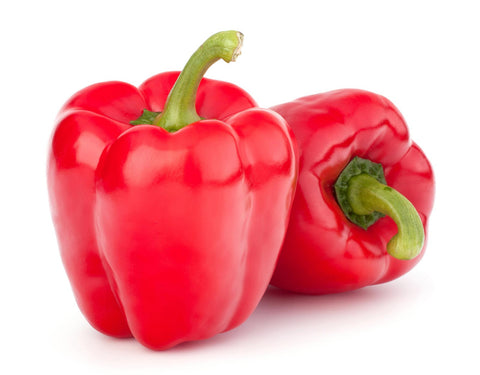
Medium seeds such as tomato, chilli, capsicum, and carrot are slightly larger than those very tiny ones. These should be sown at about 0.5–1 cm deep, depending on their size. Cover them with a thin layer of soil so they stay moist but can still sprout easily.
Large Seeds (Deeper Sowing)
Large seeds like beans, peas, corn, and pumpkin have more stored energy and can grow from deeper in the soil. These are usually sown at a depth of 2–5 cm, depending on their size. This helps keep them protected and well hydrated during germination. Some seeds like beets, spinach deserve a separate mention owing to their rough compound structure and must be planted at a depth of not more than 1.25-1.5 cm.
Rule of Thumb To Follow

Here’s a gardening secret that you can follow without getting too much into the details of it. Plant your seed at a depth that is twice its largest size.
Let’s take an example of a large seed like a yellow bean. A yellow bean seed is about 1 cm long, so it should be planted about 2 cm deep. And in the case of a small seed like lettuce which is just 2 mm wide, it should only be lightly covered with soil. This simple no-nonsense rule helps maintain the right balance of moisture, air, and light for different varieties of seeds. Following this simple rule while sowing all kinds of seeds in your home garden will improve germination and give your plants a strong start. Another very important thing to remember is that the soil covering your planted seeds should be loose and not compact. This helps seeds sprout better and germinate faster.
Here’s a quick reference table for common vegetables and herbs:
| S.No | Plant | Sowing Depth |
|---|---|---|
| 1 | Lettuce | 0.5–0.6 cm (light cover) |
| 2 | Basil | 0.5 cm (very light cover) |
| 3 | Spinach | 1.5–2 cm |
| 4 | Tomato | 0.8–1 cm |
| 5 | Chilli | 0.8–1 cm |
| 6 | Capsicum | 0.8–1 cm |
| 7 | Coriander | 2–2.5 cm |
| 8 | Fenugreek | 1.5–2 cm |
| 9 | Radish | 2–2.5 cm |
| 10 | Carrot | 0.5–1 cm |
| 11 | Beans | 2.5–3 cm |
| 12 | Peas | 2.5–3 cm |
| 13 | Okra | 2–3 cm |
| 14 | Corn | 3–4 cm |
| 15 | Pumpkin | 4–5 cm |
Getting the sowing depth right may seem like a small insignificant step, but it has a big impact on the success of seed germination. By understanding your seeds and following a simple rule, you can improve germination and grow healthier plants at home. A little attention at the beginning goes a long way in home gardening.
Happy gardening!


Leave a comment